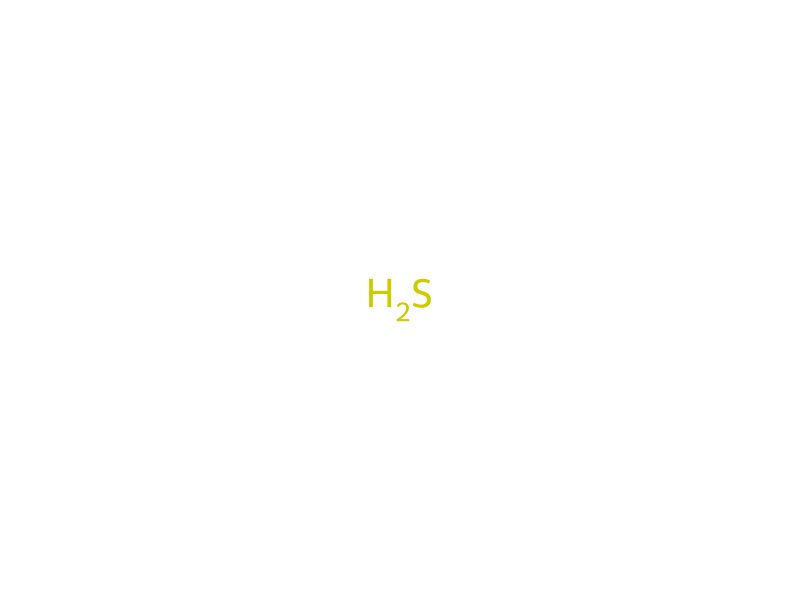
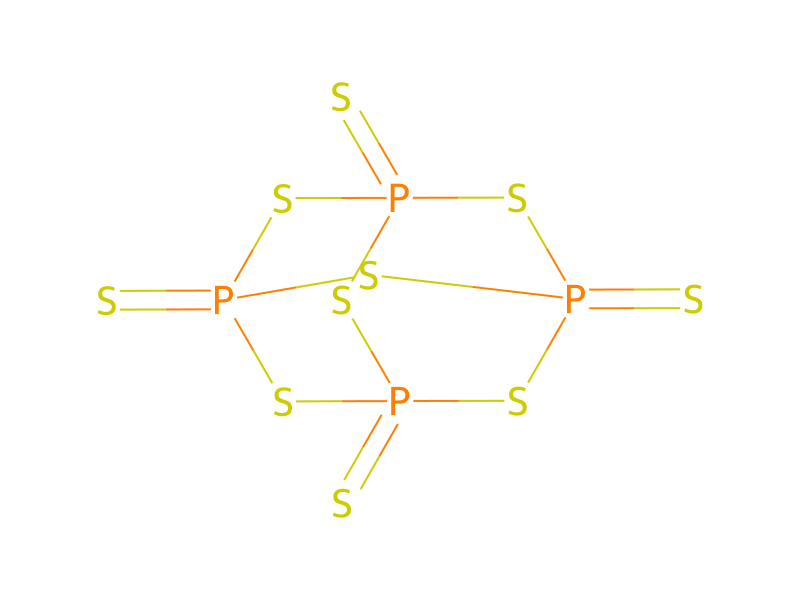
[C:1]1([C:7](=O)[CH:8]([C:20]2[CH:25]=[CH:24][CH:23]=[CH:22][CH:21]=2)[CH2:9][C:10]([C:12]2[CH:17]=[CH:16][C:15]([O:18][CH3:19])=[CH:14][CH:13]=2)=O)[CH:6]=[CH:5][CH:4]=[CH:3][CH:2]=1.C1(C)C(C)=CC=CC=1.P12(SP3(SP(SP(S3)(S1)=S)(=S)S2)=S)=[S:36].S>C(O)C>[C:1]1([C:7]2[S:36][C:10]([C:12]3[CH:17]=[CH:16][C:15]([O:18][CH3:19])=[CH:14][CH:13]=3)=[CH:9][C:8]=2[C:20]2[CH:25]=[CH:24][CH:23]=[CH:22][CH:21]=2)[CH:6]=[CH:5][CH:4]=[CH:3][CH:2]=1In a 1-liter steel autoclave fitted with a mechanical stirrer, a thermometer and a pressure gauge were placed 32 g (0.09 mole) of 1,2-diphenyl-4-p-methoxyphenylbutane-1,4-dione, 100 ml of xylene, 20 g (0.045 mole) of phosphorus pentasulfide and 130 g of hydrogen sulfide. The mixture was stirred and heated 3 hours at 157°-162° C. (1190-1220 psig). The vessel was cooled and the hydrogen sulfide vented into an aqueous sodium hydroxide trap. The semisolid residue was stirred with 150 ml of absolute ethanol. Filtration gave 23 g (72%) of crude product, m.p. 130°-132° C. and a second crop of 3.7 g (11.6%) m.p. 124°-126° C. The two crops were combined and recrystallized from a mixture of 30 ml of dioxane and 60 ml of absolute ethanol to give 22 g (69%) of pure product m.p. 133°-134° C.
Wird geladen…