Hydrochloric Acid → Benzyl N-[(3R,6S)-6-(hydroxymethyl)tetrahydropyran-3-YL]carbamate
HRID 470690
Reaktionsgleichung

ClC1N=C2NC(=O)[C@]3(C4(CCC(C)(C)CC4)[N:17]4[C@@H](C(=O)[O:14][C@@H:15](C5C=CC=CC=5)[C@H:16]4[C:26]4[CH:31]=[CH:30][CH:29]=CC=4)[C@@H]3C3C=CC=C(Cl)C=3F)C2=CC=1.[CH2:48]([O:55][C:56](Cl)=[O:57])[C:49]1[CH:54]=[CH:53][CH:52]=[CH:51][CH:50]=1.Cl.[OH-:60].[Na+]>>[CH2:48]([O:55][C:56]([NH:17][C@@H:16]1[CH2:26][CH2:31][C@@H:30]([CH2:29][OH:60])[O:14][CH2:15]1)=[O:57])[C:49]1[CH:54]=[CH:53][CH:52]=[CH:51][CH:50]=1Komponenten
5
Edukt 4
 HCID 313Hydrochloric Acid
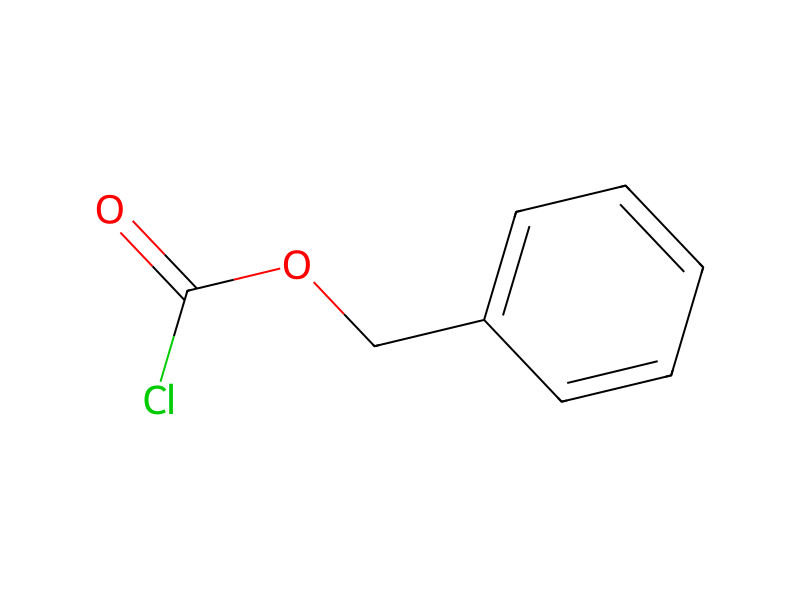 HCID 10387Benzyl chloroformate
 HCID 14798Sodium Hydroxide
 HCID 86672583(3'S,4'R,7'S,8'S,8a'R)-6''-chloro-8'-(3-chloro-2-fluorophenyl)-4,4-dimethyl-3',4'-diphenyl-3',4',8',8a'-tetrahydro-1'H-dispiro[cyclohexane-1,6'-pyrrolo[2,1-c][1,4]oxazine-7',3''-pyrrolo[2,3-b]pyridine]-1',2''(1''H)-dione
Produkt 1
