StartseiteMCPWorkbenchSkills
StartseiteWorkbenchBenachrichtigungenMein Bereich
llms.txt · MCP-AnleitungDatenschutz · Nutzungsbedingungen · Supportv1.8.3
  1. Startseite
  2. /Reaktion

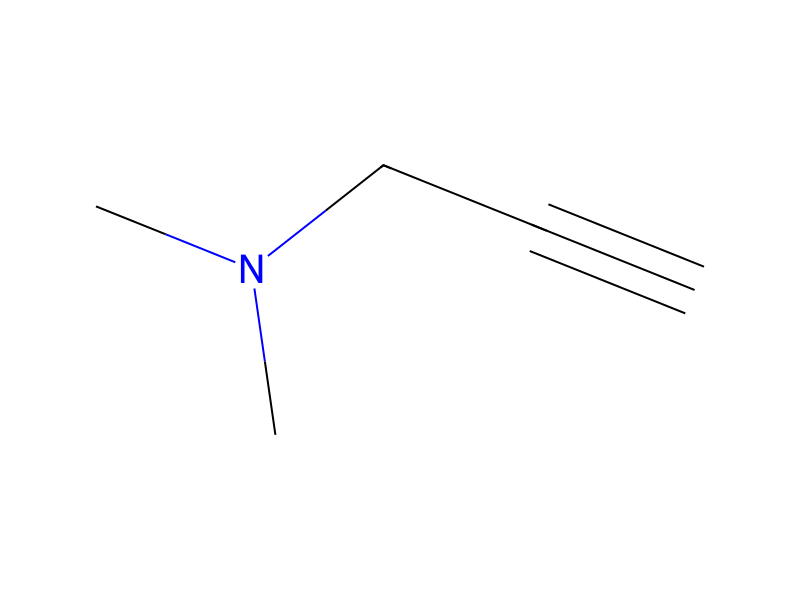
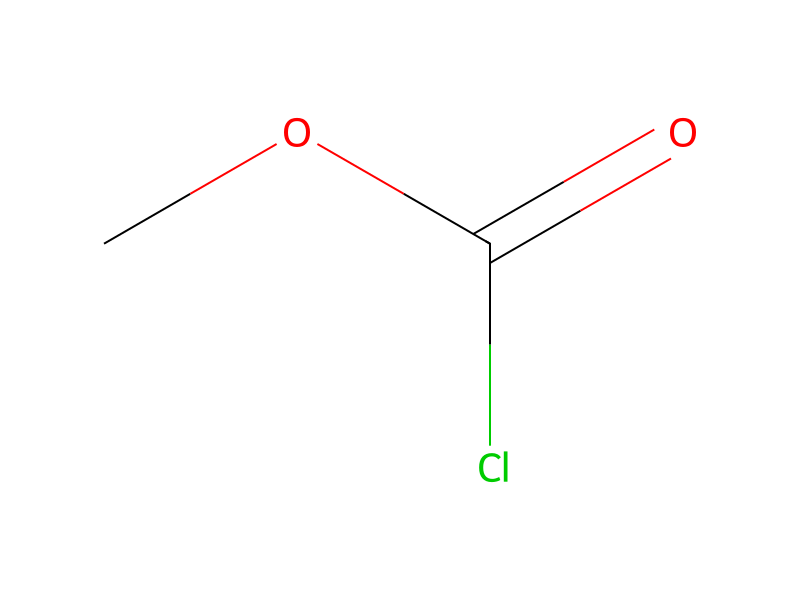
Methyl chloroformate → 2-Cyclopentyl-4-(3-(dimethylamino)prop-1-ynyl)-5-nitrophenyl methyl carbonate

HRID 471935
Drucken

Reaktionsgleichung

Reaktionsgleichung von HRID 471935
[C:1](=[O:20])([O:18][CH3:19])[O:2][C:3]1[CH:8]=[C:7]([N+:9]([O-:11])=[O:10])[C:6](Br)=[CH:5][C:4]=1[CH:13]1[CH2:17][CH2:16][CH2:15][CH2:14]1.[CH3:21][N:22]([CH3:26])[CH2:23][C:24]#[CH:25].ClC(OC)=O>C(OCC)(=O)C.ClCCl.Cl[Pd](Cl)([P](C1C=CC=CC=1)(C1C=CC=CC=1)C1C=CC=CC=1)[P](C1C=CC=CC=1)(C1C=CC=CC=1)C1C=CC=CC=1.[Cu]I.C(N(CC)CC)C.CN(C=O)C>[C:1](=[O:20])([O:18][CH3:19])[O:2][C:3]1[CH:8]=[C:7]([N+:9]([O-:11])=[O:10])[C:6]([C:25]#[C:24][CH2:23][N:22]([CH3:26])[CH3:21])=[CH:5][C:4]=1[CH:13]1[CH2:17][CH2:16][CH2:15][CH2:14]1
KomponentenReaktionsbedingungenVersuchsvorschriftAufarbeitungQuellen und NachweiseNotizen zur Reaktion

Komponenten

10

Edukt 3

HCID 6586Methyl chloroformateHCID 81643N,N-DimethylpropargylamineHCID 593949534-Bromo-2-cyclopentyl-5-nitrophenyl methyl carbonate

Produkt 1

HCID 593950152-Cyclopentyl-4-(3-(dimethylamino)prop-1-ynyl)-5-nitrophenyl methyl carbonate

Reagenzien, Katalysatoren, Lösungsmittel 6

HCID 24350
Copper(1+) iodide; Copper(I) iodide; Cuprous iodide; Cuprous iodide (CuI)
Katalysator
HCID 178418476HCID 178418476, VerbindungKatalysator
HCID 6228DimethylformamideLösungsmittel
HCID 6344DichloromethaneLösungsmittel
HCID 8471TriethylamineLösungsmittel2×
HCID 8857Ethyl AcetateLösungsmittel2×

Reaktionsbedingungen

Temperatur
100 °C

Versuchsvorschrift

4-Bromo-2-cyclopentyl-5-nitrophenyl methyl carbonate (1000 mg, 2.9 mmol), Pd(PPh3)2Cl2 (102 mg, 0.15 mmol), and CuI (17 mg, 0.087 mmol) were added to a large microwave tube which was flushed with N2 and capped. In a separate flask, DMF (10 mL), triethylamine (10 mL), and N,N-dimethylprop-2-yn-1-amine (725 mg, 929 μL, 8.72 mmol) were added and degassed by N2 bubbling (10 min). The degassed solution was then cannulated into the capped microwave tube under N2 atmosphere and heated under microwave irradiation for 10 min at 100° C. resulting in product formation with partial loss of the carbonate group. The reaction was diluted with ethyl acetate, washed with 50% saturated sodium bicarbonate solution (2×20 mL), water, and brine. The solution was dried over Na2SO4, filtered, and dried down to a red solid. The crude reaction mixture was dissolved in dichloromethane (35 mL) and triethylamine (1.17 g, 1.62 mL, 11.62 mmol) and treated dropwise with methyl chloroformate (549 mg, 449 μL, 5.81 mmol) at room temperature. The reaction was stirred for 10 min then diluted with ethyl acetate, washed with 50% saturated sodium bicarbonate solution (2×20 mL), water, and brine. The solution was dried over Na2SO4, filtered, and dried down to provide 2-cyclopentyl-4-(3-(dimethylamino)prop-1-ynyl)-5-nitrophenyl methyl carbonate as a brown/orange solid. 1H NMR (400.0 MHz, DMSO-d6) δ 8.14 (s, 1H), 7.68 (s, 1H), 3.89 (d, J=3.9 Hz, 3H), 3.54 (s, 2H), 3.23 (s, 1H), 3.14 (dd, J=9.3, 17.1 Hz, 1H), 2.25 (d, J=8.2 Hz, 6H), 1.99-1.92 (m, 2H), 1.79-1.73 (m, 2H), 1.69-1.51 (m, 3H).

Aufarbeitung

  1. customwas flushed with N2
  2. customcapped
  3. customdegassed by N2 bubbling (10 min)
  4. customresulting in product formation with partial loss of the carbonate group
  5. washwashed with 50% saturated sodium bicarbonate solution (2×20 mL), water, and brine
  6. dry with materialThe solution was dried over Na2SO4
  7. filtrationfiltered
  8. customdried down to a red solid
  9. customThe crude reaction mixture
  10. washwashed with 50% saturated sodium bicarbonate solution (2×20 mL), water, and brine
  11. dry with materialThe solution was dried over Na2SO4
  12. filtrationfiltered
  13. customdried down

Quellen und Nachweise

ORD-Eintrag
ord-6c10cc36b7044f70ae7e1977863c5ed2
Quelldatensatz
uspto-grants-2014_01
DOI
10.6084/m9.figshare.5104873.v1
Patentnummer
US08633189B2

Notizen zur Reaktion

Auf dieser SeiteKomponentenReaktionsbedingungenVersuchsvorschriftAufarbeitungQuellen und NachweiseNotizen zur Reaktion