2-Chloro-N-(5-methyl-1H-pyrazol-3-yl)pyrimidin-4-amine → HCID 178428253, Verbindung
HRID 475290
Reaktionsgleichung

Cl[C:2]1[N:7]=[C:6]([NH:8][C:9]2[CH:13]=[C:12]([CH3:14])[NH:11][N:10]=2)[CH:5]=[CH:4][N:3]=1.Cl.O1CCCCC1[N:22]1[C:26]2[CH:27]=[CH:28][C:29]([C@@H:31]([NH2:33])[CH3:32])=[CH:30][C:25]=2[N:24]=[CH:23]1>CCCCO>[NH:22]1[C:26]2[CH:27]=[CH:28][C:29]([C@@H:31]([NH:33][C:2]3[N:7]=[C:6]([NH:8][C:9]4[CH:13]=[C:12]([CH3:14])[NH:11][N:10]=4)[CH:5]=[CH:4][N:3]=3)[CH3:32])=[CH:30][C:25]=2[N:24]=[CH:23]1Komponenten
4


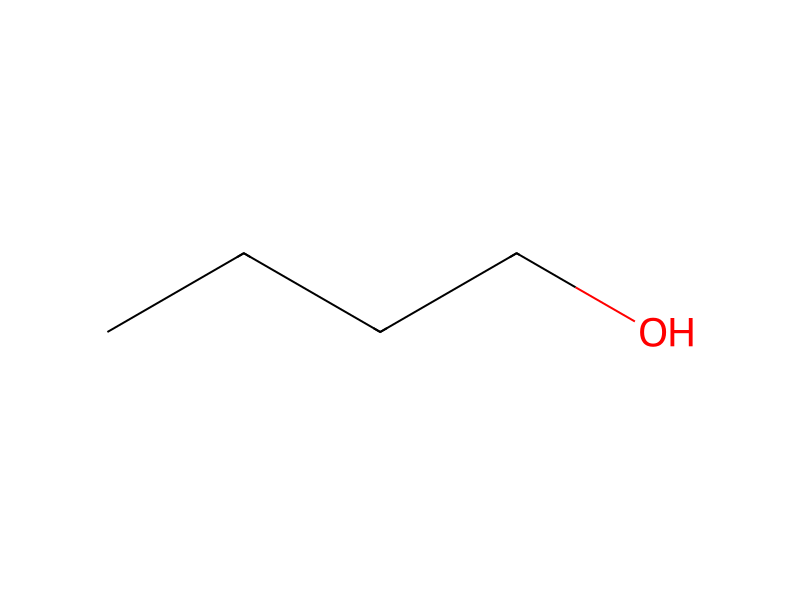
Versuchsvorschrift
To a solution of 2-chloro-N-(5-methyl-1H-pyrazol-3-yl)pyrimidin-4-amine (105 mg, 0.5 mmol) in n-BuOH (2 mL) in a microwave vial was added 126 (184 mg, 0.75 mmol). To the solution was added dropwise TEA (0.21 mL, 1.5 mmol) and the vial sealed and irradiated in a in the microwave synthesizer at 110° C. for 6 h. The solvent was evaporated under reduced pressure and the crude residue was taken up in DCM (5 mL) and MeOH (5 mL) and the solvent was again concentrated in vacuo. The residue was diluted in DMF (1 mL) and filtered. The crude mixture was purified by reverse phase HPLC to afford 9 mg (5%) of I-121.