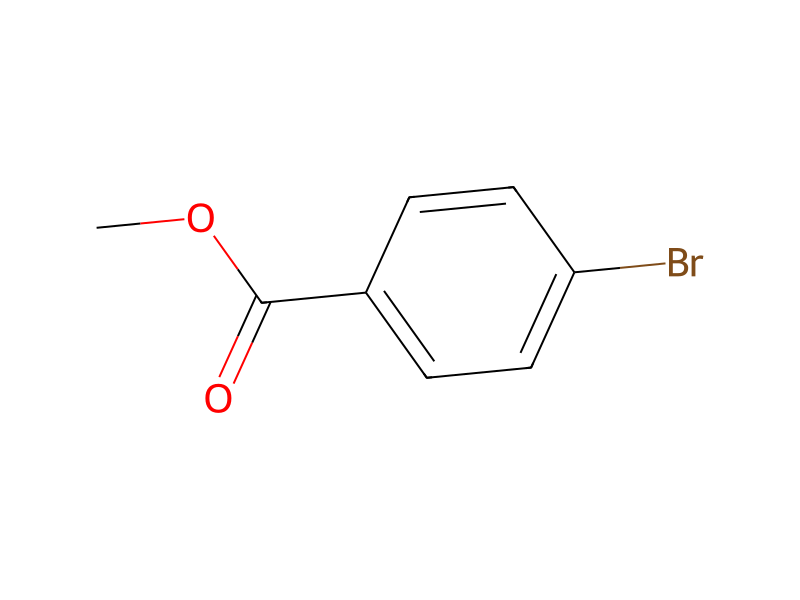
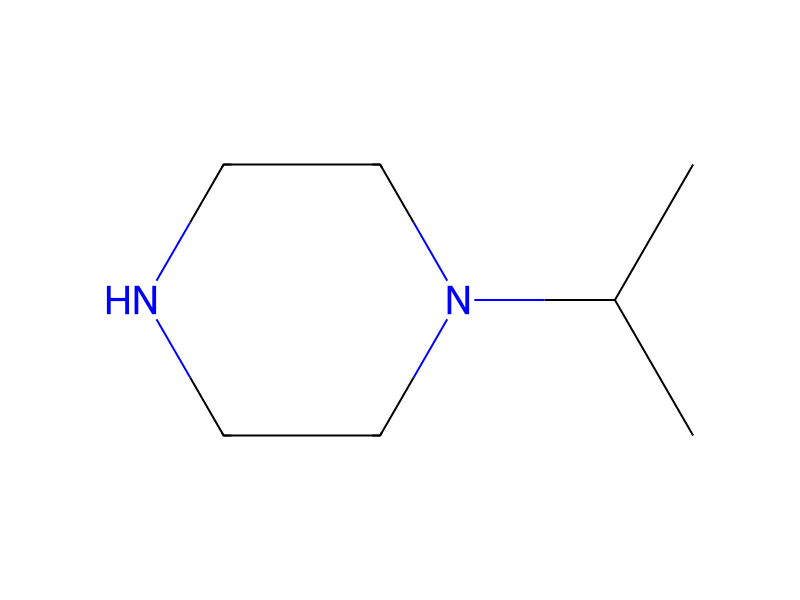
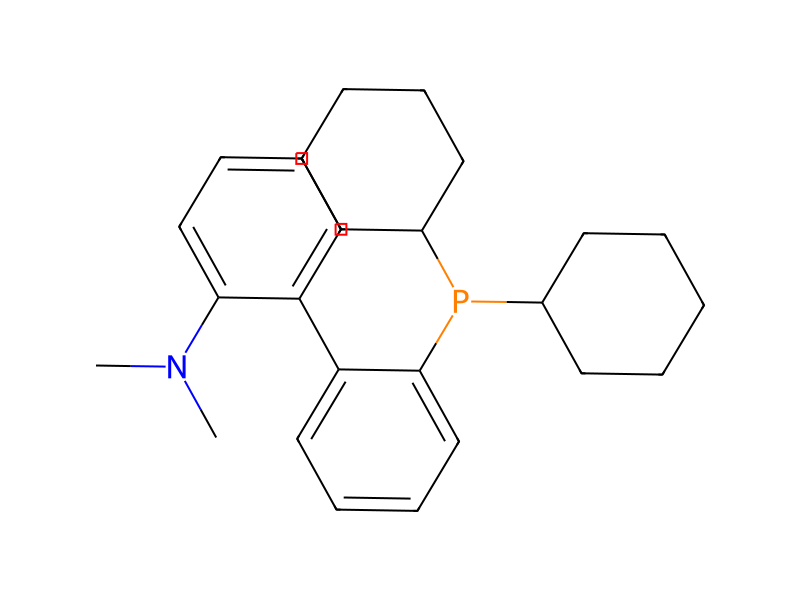
C1(P(C2CCCCC2)C2C=CC=CC=2C2C=CC=CC=2N(C)C)CCCCC1.C(=O)([O-])[O-].[K+].[K+].O=O.N#N.[CH3:39][O:40][C:41](=[O:49])[C:42]1[CH:47]=[CH:46][C:45](Br)=[CH:44][CH:43]=1.[CH:50]([N:53]1[CH2:58][CH2:57][NH:56][CH2:55][CH2:54]1)([CH3:52])[CH3:51]>COCCOC>[CH3:39][O:40][C:41](=[O:49])[C:42]1[CH:47]=[CH:46][C:45]([N:56]2[CH2:57][CH2:58][N:53]([CH:50]([CH3:52])[CH3:51])[CH2:54][CH2:55]2)=[CH:44][CH:43]=1Tris-(dibenzylidene-acetone)-dipalladium (0.05 mmol), (2′-dicyclohexylphosphanyl-biphenyl-2-yl)-dimethyl-amine (0.1 mmol) and potassium carbonate (4.6 mmol) are suspended in 1,2-dimethoxyethane (10 ml) in an oxygen-free atmosphere (N2). 4-Bromo-benzoic acid methyl ester (3.3 mmol) and 1-isopropyl-piperazine (3.9 mmol) are added and the stirred mixture is heated under reflux for 28 hours. After cooling the solvent is evaporated and water is added to the residue, which is then extracted three times with ethyl acetate. The combined extract is dried over sodium sulfate and evaporated. The residue is purified by flash chromatography on silica gel with (CH2Cl2/MeOH=95:5) as mobile phase. The product containing fractions are combined and evaporated. The residue is suspended in diethylether/pentane and the solid filtered of and dried (vacuum). A pale-brown powder with Rf=0.23 (CH2Cl2/MeOH=95:5) is obtained.