Hydrazine → HCID 18660584, Verbindung
HRID 478939
Reaktionsgleichung

C1(=O)[N:5]([CH2:6][CH2:7][CH2:8][O:9][C@@H:10]2[C@H:14]([OH:15])[C@@H:13]([CH2:16][OH:17])[O:12][C@H:11]2[N:18]2[CH:25]=[C:24]([CH3:26])[C:22](=[O:23])[NH:21][C:19]2=[S:20])C(=O)C2=CC=CC=C12.NN>CO>[NH2:5][CH2:6][CH2:7][CH2:8][O:9][C@@H:10]1[C@H:14]([OH:15])[C@@H:13]([CH2:16][OH:17])[O:12][C@H:11]1[N:18]1[CH:25]=[C:24]([CH3:26])[C:22](=[O:23])[NH:21][C:19]1=[S:20]Komponenten
4
Edukt 2
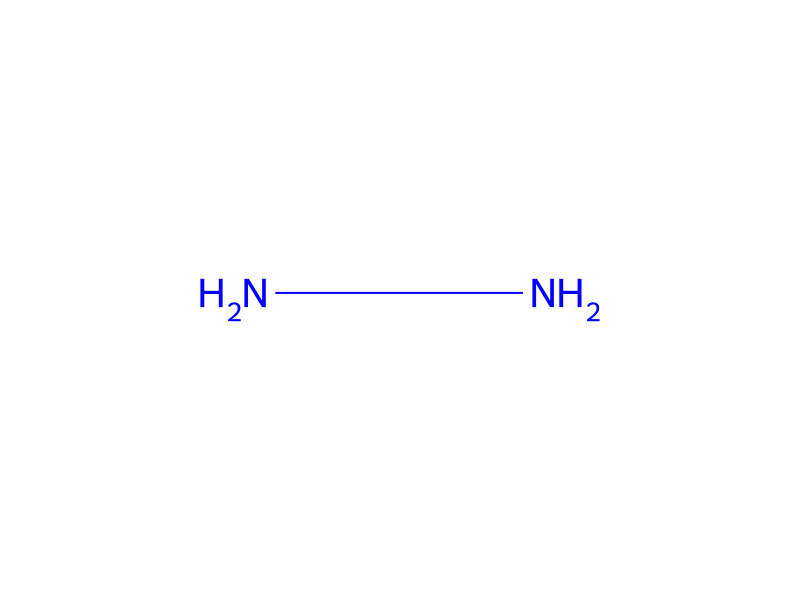

Produkt 1

Reagenzien, Katalysatoren, Lösungsmittel 1

Reaktionsbedingungen
- Temperatur
- 62.5 °C
Versuchsvorschrift
2′-O-Phthalimidopropyl-5-methyl-2-thiouridine (5.0 g, 15.8 mmol) is dissolved in 100 ml methanol in a 500 ml flask. Hydrazine (2.02 g, 63.2 mmol) is added and the mixture is heated to reflux (60-65° C.) with stirring for 14 hours. The solvent is evaporated in vacuo and the residue is dissolved in dichloromethane (150 ml) and extracted twice with an equal volume NH4OH. The organic layer is evaporated to yield the crude product. NMR is used to assay product purity. The product is used in subsequent reactions without further purification.