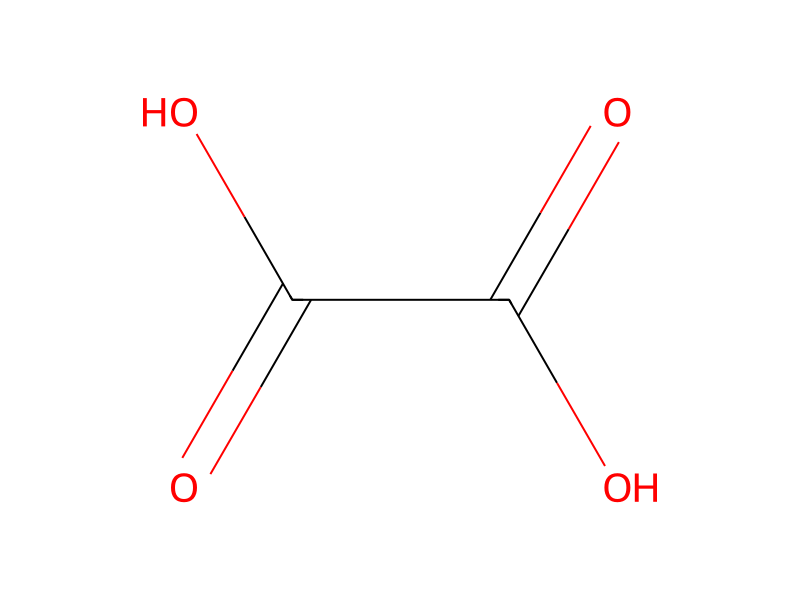
Oxalic Acid → 6-Bromo-8-methyl-1,4,7,8,9,10-hexahydro-pyrido[4,3-f]quinoxaline-2,3-dione
HRID 48207
Reaktionsgleichung

[Br:1][C:2]1[CH:3]=[C:4]([NH2:14])[C:5]([NH2:13])=[C:6]2[C:11]=1[CH2:10][N:9]([CH3:12])[CH2:8][CH2:7]2.[C:15](O)(=[O:19])[C:16](O)=[O:17]>Cl>[Br:1][C:2]1[C:11]2[CH2:10][N:9]([CH3:12])[CH2:8][CH2:7][C:6]=2[C:5]2[NH:13][C:15](=[O:19])[C:16](=[O:17])[NH:14][C:4]=2[CH:3]=1Komponenten
4
Edukt 2

Produkt 1

Reagenzien, Katalysatoren, Lösungsmittel 1

Versuchsvorschrift
A solution of the product from Example 13 (0.62 g, 2.56 mmol) and oxalic acid (0.23 g, 2.56 mmol) in 25 mL of 3N aqueous HCl solution were heated at reflux for 18 hours. The reaction mixture was cooled to room temperature and the solid which formed was collected by filtration and washed with cold water. The solid was recrystallized from hot water and dried under vacuum (100° C., P2O5) to give the title compound as a tan solid (0.191 g, 20%), mp=315-320° C. (dec.).