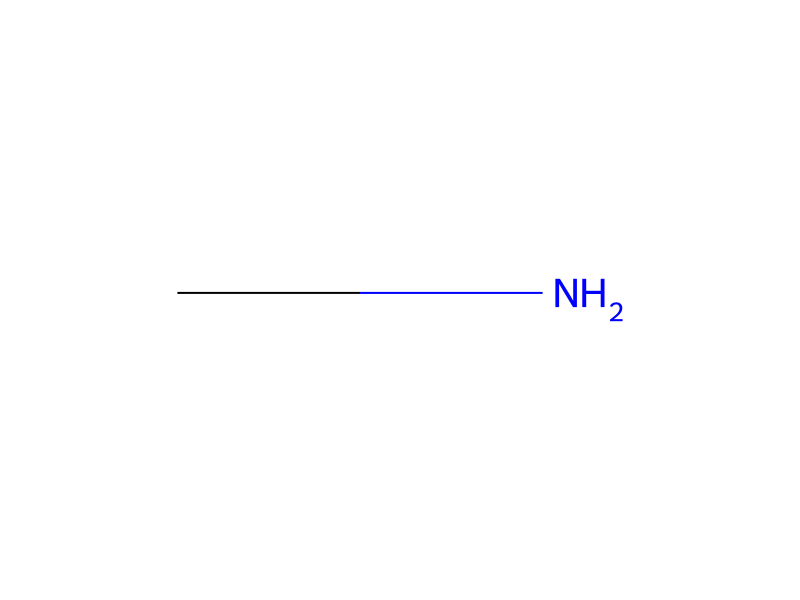
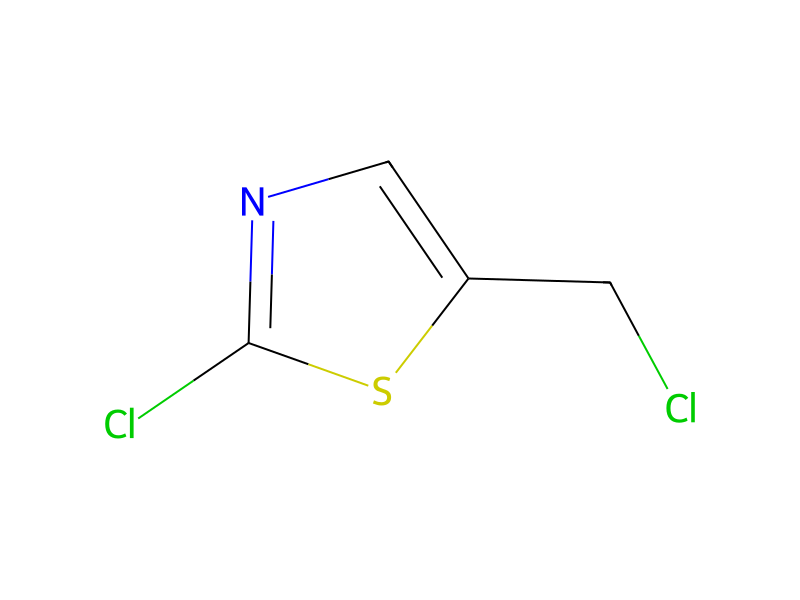
Methylamine → (2-Chloro-thiazol-5-ylmethyl)-methyl-amine
HRID 483345
Reaktionsgleichung

[Cl:1][C:2]1[S:3][C:4]([CH2:7]Cl)=[CH:5][N:6]=1.[CH3:9][NH2:10]>C(O)C>[Cl:1][C:2]1[S:3][C:4]([CH2:7][NH:10][CH3:9])=[CH:5][N:6]=1Komponenten
4
Edukt 2
Produkt 1

Reagenzien, Katalysatoren, Lösungsmittel 1

Reaktionsbedingungen
- Temperatur
- 20 °C
Versuchsvorschrift
2-Chloro-5-thiazolylmethylchloride (5.0 g, 0.03 mol) and methylamine (4.6 g, 0.15 mol) were dissolved in ethanol (50 ml). The resulting solution was heated under reflux for 2 hours. The resulting mixture was allowed to cool to ambient temperature (20° C.) and the solvent was removed by evaporation under reduced pressure. The residue was added to a mixture of dichloromethane (150 ml) and aqueous sodium hydroxide (2N, 50 ml) and the mixture agitated. The two phases were allowed to separate and the aqueous phase was removed. Further aqueous sodium hydroxide (2N, 50 ml) was added to the organic phase and the step repeated. The aqueous phases were combined and washed with dichloromethane (50 ml). The dichloromethane product so obtained was combined with the original organic phase, washed with saturated brine (100 ml) and dried using magnesium sulphate. The solvent was evaporated to give N-(2-chloro-5-thiazolylmethyl)-N-methylamine as a yellow oil in a yield of 3.55 g (73%).