Pyridine → N-(3-pyridyl)indole 3-propyl benzenesulfonate
Reaktionsgleichung

[OH:1]CCC[C:5]1[C:13]2[C:8](=[CH:9][CH:10]=[CH:11][CH:12]=2)[N:7]([C:14]2[CH:15]=[N:16][CH:17]=[CH:18][CH:19]=2)[CH:6]=1.[C:20]1([S:26](Cl)(=[O:28])=[O:27])[CH:25]=[CH:24][CH:23]=[CH:22][CH:21]=1.N1C=C[CH:33]=[CH:32][CH:31]=1>>[N:16]1[CH:17]=[CH:18][CH:19]=[C:14]([N:7]2[C:8]3[C:13](=[CH:12][CH:11]=[CH:10][CH:9]=3)[CH:5]=[CH:6]2)[CH:15]=1.[C:20]1([S:26]([O:28][CH2:31][CH2:32][CH3:33])(=[O:1])=[O:27])[CH:25]=[CH:24][CH:23]=[CH:22][CH:21]=1Komponenten
4

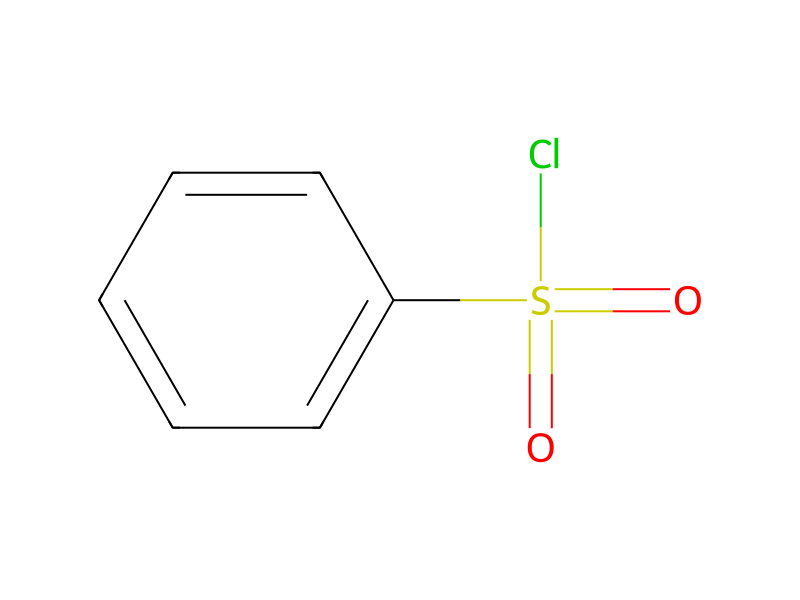


Versuchsvorschrift
A solution of 1.0 g of 3-(3-hydroxypropyl)-N-(3-pyridyl)indole in 40 ml of dry pyridine at 0° is treated with 0.7 g of benzenesulfonyl chloride and stored at 0° for 14 hours. The solvent is evaporated and the residue is partitioned between ethyl ether and aqueous sodium bicarbonate solution. The organic phase is separated, dried over potassium carbonate and evaporated to yield crude N-(3-pyridyl)indole-3-propyl benzenesulfonate as an oil which is used without further purification.