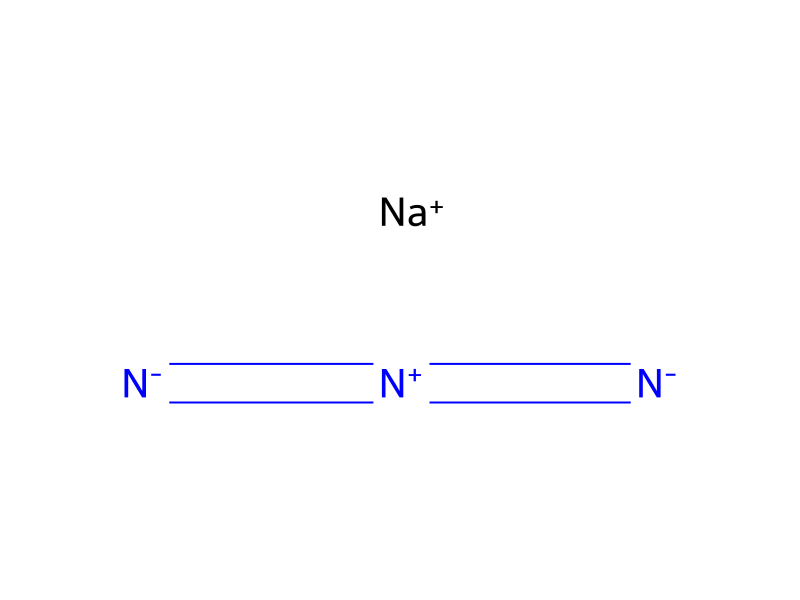
A mixture of 1.0 g of (S)-2-benzyl-1-t-butoxycarbonyl-4-cyanomethyl-1,2,3,4-tetrahydropyrazin-3-one, 0.31 g of sodium azide, 0.25 g of ammonium chloride and 6 ml of N,N-dimethylformamide was stirred for 6 hours at 100° C. The reaction mixture was poured into ice-water, which was subjected to extraction with methylene chloride. The organic layer was washed with water and dried over anhydrous magnesium sulfate, then the solvent was distilled off under reduced pressure. To the solution of 1.0 g of the residue in 15 ml of ethanol was added 0.5 g of 10% palladium-carbon. The mixture was stirred for 20 hours in a hydrogen stream. The catalyst was filtered off, and the filtrate was concentrated under reduced pressure. To 1.0 g of the concentrate was added 8 ml of an ethyl acetate solution of 4N HCl, and the mixture was stirred for 3 hours at room temperature. Resulting precipitates were collected by filtration and recrystallized from methanol to afford 0.7 g of the title compound as colorless crystals, m.p.245°-247° C. (decomp.).