Reaktionsgleichung

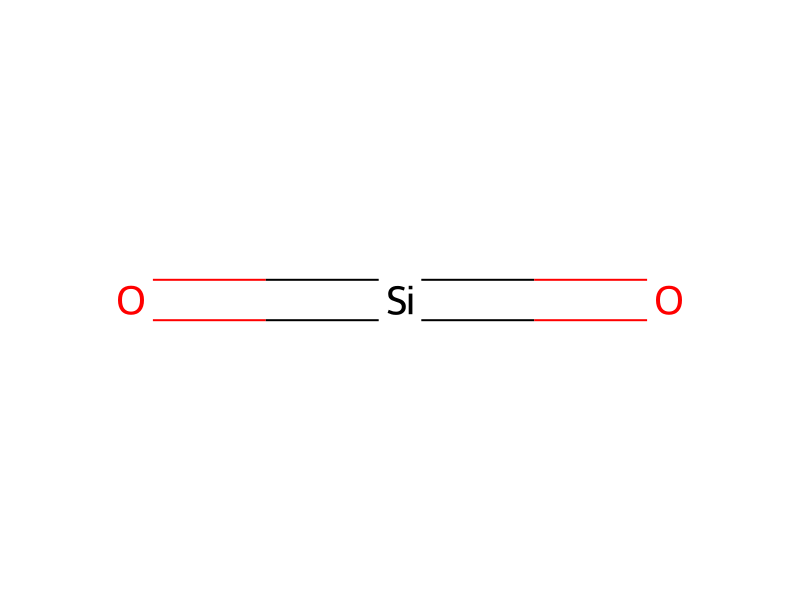
[Si](=O)=O.Br[CH2:5][C:6]1[CH:14]=[CH:13][C:9]([C:10]([OH:12])=[O:11])=[CH:8][C:7]=1[N+:15]([O-:17])=[O:16].C(=O)([O-])[O-:19].[Na+].[Na+].Cl>CC(C)=O.O.N1C=CC=CC=1>[OH:19][CH2:5][C:6]1[CH:14]=[CH:13][C:9]([C:10]([OH:12])=[O:11])=[CH:8][C:7]=1[N+:15]([O-:17])=[O:16]Komponenten






Versuchsvorschrift
4-[N-(3-triethoxysilyl)propyl]-carbamoyl-2-nitrobenzyl isonicotinate (TCNI) which binds to silicon dioxide through the ethoxysilyl groups, and has a pyridine metal binding group and a nitrobenzyl radiation sensitive group was prepared according to the synthetic procedure represented in Scheme 2. 4-Bromomethyl-3-nitrobenzoic acid (A) was refluxed overnight with sodium carbonate in acetone/water (1:1). After cooling to room temperature, the reaction mixture was made acidic with 1 N hydrochloric acid and the product was extracted into ethyl acetate, dried over magnesium sulfate and rotary evaporated to yield 4-hydroxymethyl-3-nitrobenzoic acid. The 4-hydroxymethyl-3-nitrobenzoic acid (B) was dissolved in pyridine and reacted with isonicotinoyl chloride hydrochloride at room temperature for 2 days. The resultant solution was poured onto ice, stirred overnight at room temperature and extracted with ethyl acetate. The organics were dried over magnesium sulfate and rotary evaporated to remove the solvents. Residual pyridine was removed by the addition of toluene followed by rotary evaporation. The resultant solid was slurried in ethanol at room temperature and the product, 4-carboxy-2-nitrobenzyl isonicotinate, was isolated by filtration and dried under vacuum.
Aufarbeitung
- extractionthe product was extracted into ethyl acetate
- dry with materialdried over magnesium sulfate
- customrotary evaporated
Quellen und Nachweise
- ORD-Eintrag
- ord-b1f3531e808a48d9a70e23b544b11fb7
- Quelldatensatz
- uspto-grants-2009_05
- Patentnummer
- US07531293B2
Verknüpfte Notizen
Wird geladen…