Aniline → 4-Hydroxy-7-methoxy-8-methyl-quinoline
HRID 500004
Reaktionsgleichung

[C:1]1([O:7][C:8]2[CH:13]=[CH:12][CH:11]=[CH:10][CH:9]=2)C=CC=CC=1.[NH2:14][C:15]1C=CC=CC=1.[CH3:21]CCCCC.CCO[C:30]([CH3:32])=[O:31]>>[OH:31][C:30]1[C:11]2[C:12](=[C:13]([CH3:21])[C:8]([O:7][CH3:1])=[CH:9][CH:10]=2)[N:14]=[CH:15][CH:32]=1Komponenten
4
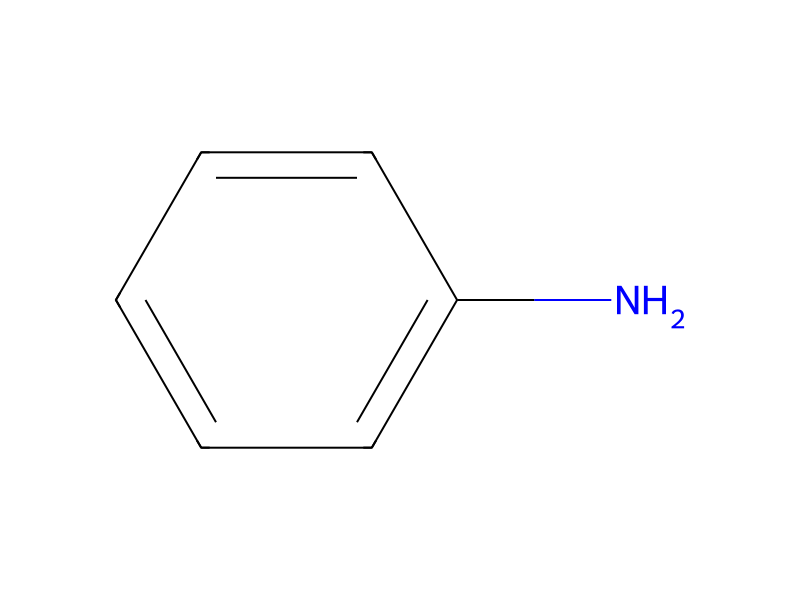

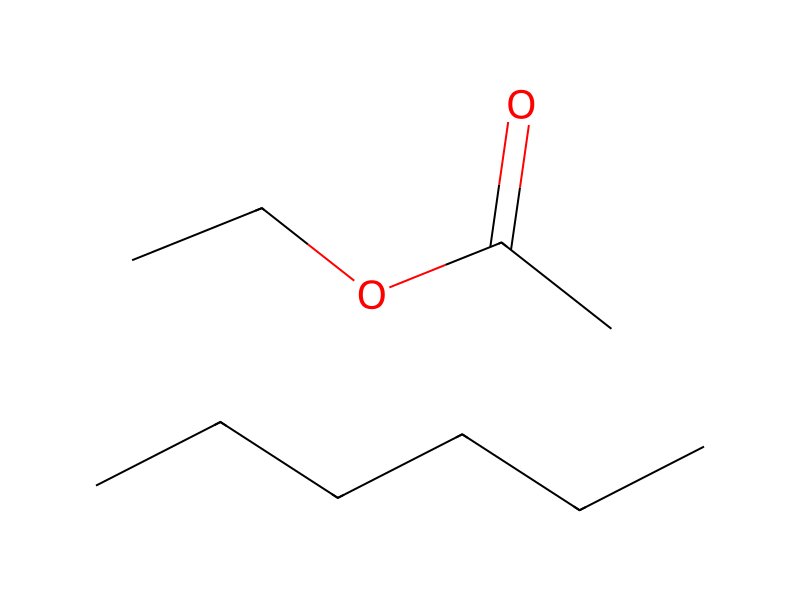

Reaktionsbedingungen
- Temperatur
- 300 °C
Versuchsvorschrift
A three-neck flask containing diphenyl ether (1.9 mL; 11.75 mmol) was placed into a preheated sand bath heated to ˜300° C. and the sand bath allowed to slowly heat further to ˜330° C. so as the internal temperature was between 245-250° C. The aniline derivative 1s1 was added portion-wise (immediately seeing gas evolution) at a rate as to maintain the internal temperature at 240-245° C. (addition time 5-10 min). Once addition was complete, the yellow solution was maintained at 245-250° C. for 20 minutes. TLC (Hexane:EtOAc 6:4) indicated the consumption of starting material, however, the reaction mixture was left another 20 minutes to ensure complete intermediate decarboxylation. The mixture was worked-up by cooling the brownish solution to RT at which time a solid precipitated. The material was triturated with ether, filtered, rinsed and dried to provide the quinoline product 1s2 as a tan brown solid (216.7 mg; 83%). NMR (DMSO, 400 MHz) indicates the product to be mainly in the keto tautomer form. MS 187.9, 190.0 confirmed the product. Homogeneity by HPLC (TFA) @ 220 nm:97%.