Triethylamine → Methyl 5-formylpyridine-3-carboxylate
HRID 507148
Reaktionsgleichung

[CH3:1][O:2][C:3](=[O:11])[C:4]1[CH:9]=C(Br)[CH:7]=[N:6][CH:5]=1.C([SiH]([CH2:17][CH3:18])CC)C.C(N(CC)CC)C.[C]=[O:27]>C(#N)C.C1(P([Pd-4](P(C2C=CC=CC=2)(C2C=CC=CC=2)C2C=CC=CC=2)(P(C2C=CC=CC=2)(C2C=CC=CC=2)C2C=CC=CC=2)P(C2C=CC=CC=2)(C2C=CC=CC=2)C2C=CC=CC=2)(C2C=CC=CC=2)C2C=CC=CC=2)C=CC=CC=1>[CH3:1][O:2][C:3](=[O:11])[C:4]1[CH:9]=[C:18]([CH:17]=[O:27])[CH:7]=[N:6][CH:5]=1Komponenten
7
Edukt 4

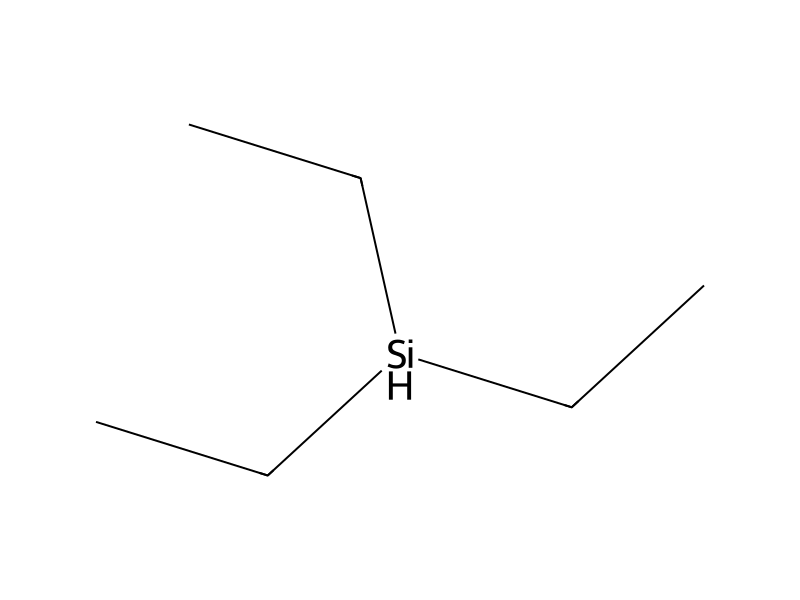


Produkt 1

Reagenzien, Katalysatoren, Lösungsmittel 2

