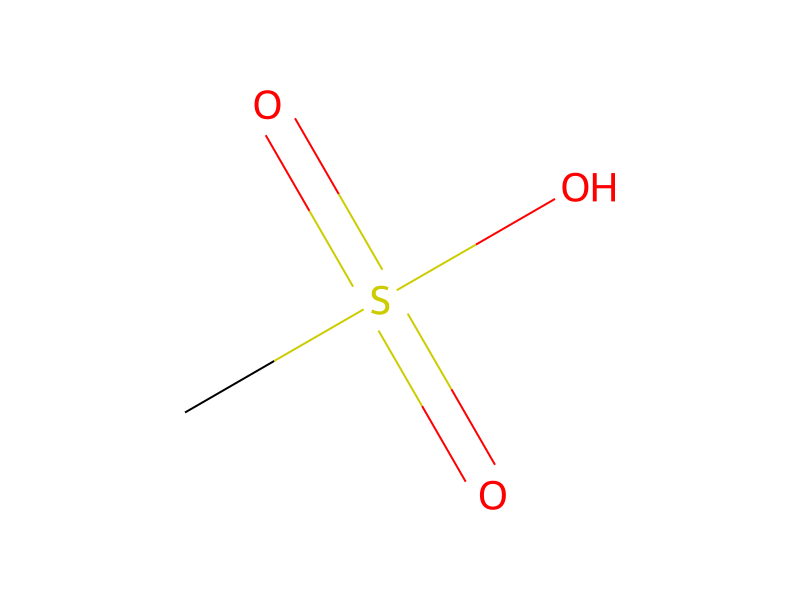
Cl[C:2]1[C:3]2[N:11]=[CH:10][CH:9]=[CH:8][C:4]=2[N:5]=[CH:6][N:7]=1.[NH2:12][C:13]1[CH:18]=[CH:17][CH:16]=[CH:15][CH:14]=1.C(N(CC)CC)C.[CH3:26][S:27]([OH:30])(=[O:29])=[O:28]>CCO>[S:27]([OH:30])(=[O:29])(=[O:28])[CH3:26].[NH:12]([C:2]1[C:3]2[N:11]=[CH:10][CH:9]=[CH:8][C:4]=2[N:5]=[CH:6][N:7]=1)[C:13]1[CH:18]=[CH:17][CH:16]=[CH:15][CH:14]=1A solution of 4-chloropyrido[3,2-d]pyrimidine (84 mg, 0.5 mmol), aniline (56 mg, 0.6 mmol) and triethylamine (62 mg, 0.6 mmol) in EtOH (2 mL) are refluxed under N2 with stirring for 2 h. The crude reaction mixture is purified on a preparative tlc plate (silica), eluting once with 3% MeOH in CHCl3. The major band is extracted, and evaporated to dryness under reduced pressure, and the residual solid is dissolved in acetone, (5 mL), filtered, and methanesulfonic acid (32 μL, 0.5 mmol) is added slowly with swirling. The precipitate is collected by suction filtration, rinsed with acetone and dried in a vacuum oven to give 4-anilinopyrido[3,2-d]pyrimidine mesylate (91 mg, 57%) as dull yellow needles. 1H NMR (DMSO) δ 11.75 (1H, slbrs), 9.11 (1H, dd, J=1.5, 4.3 Hz), 8.97 (1H, s), 8.32 (1H, dd, J=1.5, 8.4 Hz), 8.12 (1H, dd, J=4.3, 8.5 Hz), 7.88 (2H, d, J=8.2 Hz), 7.49 (2H, t, J=8.0 Hz), 7.32 (1H, t, J=7.0 Hz), 2.34 (3H, s).