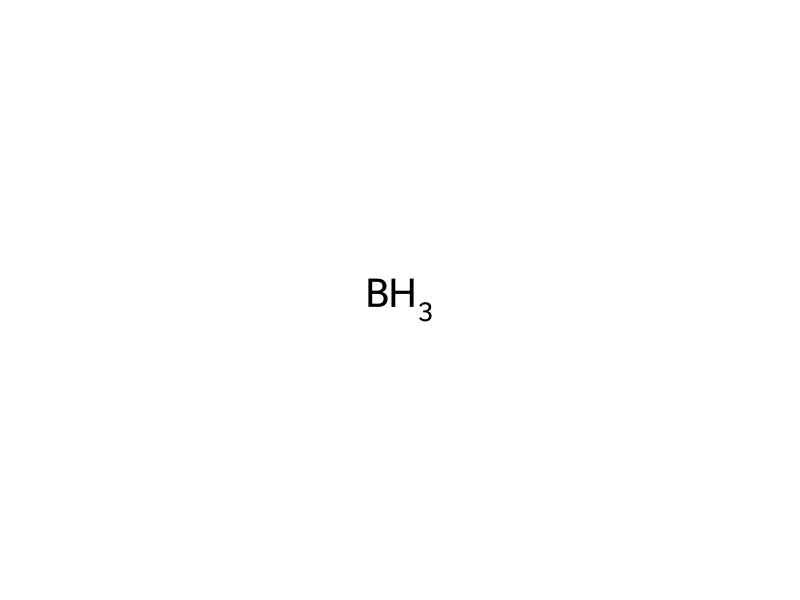
[Cl:1][C:2]1[CH:7]=[C:6]([Cl:8])[CH:5]=[CH:4][C:3]=1[N:9]1[C:13]([C:14]2[CH:19]=[CH:18][C:17]([C:20]([F:23])([F:22])[F:21])=[CH:16][CH:15]=2)=[C:12]([CH3:24])[C:11]([C:25](O)=[O:26])=[N:10]1.B.CO>C1COCC1>[Cl:1][C:2]1[CH:7]=[C:6]([Cl:8])[CH:5]=[CH:4][C:3]=1[N:9]1[C:13]([C:14]2[CH:15]=[CH:16][C:17]([C:20]([F:23])([F:21])[F:22])=[CH:18][CH:19]=2)=[C:12]([CH3:24])[C:11]([CH2:25][OH:26])=[N:10]1To a solution of 4.5 g of 1-(2,4-Dichloro-phenyl)-4-methyl-5-(4-trifluoromethyl-phenyl)-1H-pyrazole-3-carboxylic acid in 30 ml of THF, were added dropwise 43 ml of a 1M solution of borane in THF at room temperature. Then the reaction mixture was heated to reflux for 10 h. The reaction mixture was cooled to room temperature and 20 ml of methanol were carefully added. The solvents were removed under reduced pressure and the residue was dissolved in ethyl acetate. The organic layer was washed with 1 M hydrochloric acid, saturated sodium chloride solution and saturated sodium hydrogen carbonate solution. The combined organic layers were dried over MgSO4, filtered and concentrated under reduced pressure. The product was obtained as a white solid and used without further purification. Yield: 4.3 g.