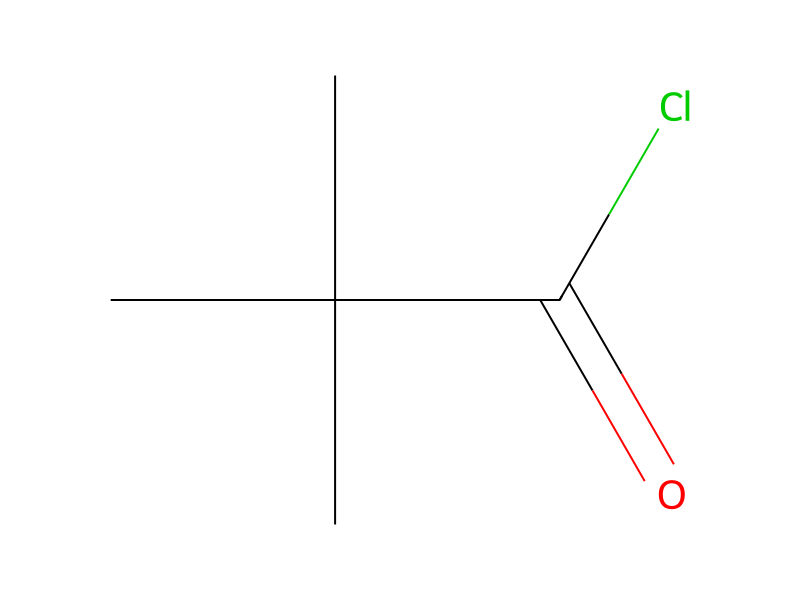
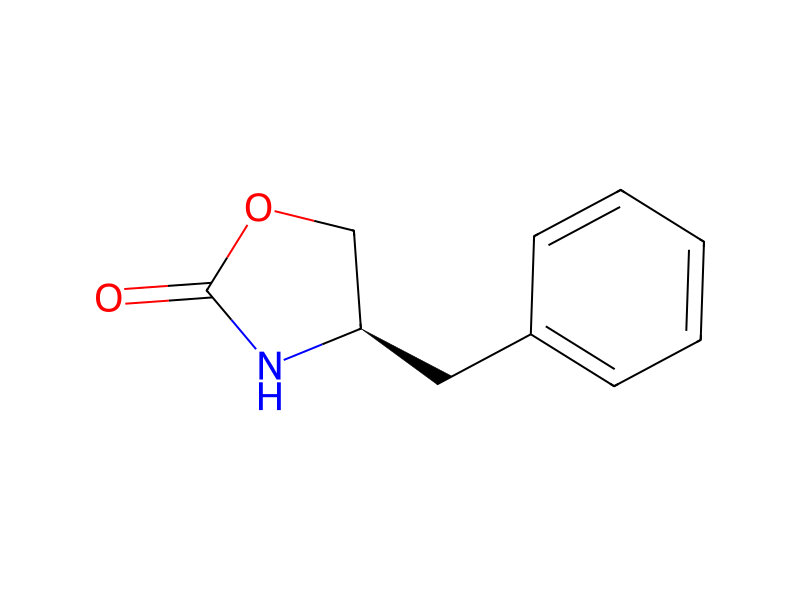
[CH:1]1([C:4]2[CH:9]=[CH:8][C:7]([CH2:10][C:11]([OH:13])=O)=[CH:6][CH:5]=2)[CH2:3][CH2:2]1.[CH2:14]([C@@H:21]1[CH2:25][O:24][C:23](=[O:26])[NH:22]1)[C:15]1[CH:20]=[CH:19][CH:18]=[CH:17][CH:16]=1.C(N(CC)CC)C.C(Cl)(=O)C(C)(C)C>C1(C)C=CC=CC=1>[CH2:14]([C@@H:21]1[CH2:25][O:24][C:23](=[O:26])[N:22]1[C:11](=[O:13])[CH2:10][C:7]1[CH:6]=[CH:5][C:4]([CH:1]2[CH2:2][CH2:3]2)=[CH:9][CH:8]=1)[C:15]1[CH:16]=[CH:17][CH:18]=[CH:19][CH:20]=12-(4-Cyclopropylphenyl)acetic acid (2.82 g, 16.003 mmol) was combined with (R)-4-benzyloxazolidin-2-one (3.4030 g, 19.204 mmol) in toluene (14 mL). The suspension was treated with triethylamine (6.6917 mL, 48.010 mmol) and then heated to 80° C. The solution was treated dropwise with a solution of pivaloyl chloride (1.9893 mL, 16.003 mmol) in toluene (3.5 mL). The reaction was heated overnight at 80° C. The reaction was cooled and washed with 2N HCl and then separated. The aqueous layer was washed with toluene, and the combined organics were then washed with 2N HCl, water, saturated NaHCO3 (2×), saturated NaCl, dried over Na2SO4 and concentrated in vacuo. The crude product was subjected to chromatography on SiO2 eluting with 9:1 hexanes/ethyl acetate to yield (R)-4-benzyl-3-(2-(4-cyclopropylphenyl)acetyl)oxazolidin-2-one (3.43 g, 64%). 1H NMR (CDCl3, 400 MHz) □ 7.33-7.20 (m, 5H), 7.16-7.11 (m, 2H), 7.05 (d, J=8.2, 2H), 4.70-4.63 (m, 1H), 4.32-4.14 (m, 4H), 3.26 (dd, J1=3.2, J2=13.3, 1H), 2.75 (dd, J1=9.5, J2=13.3, 1H), 1.93-1.85 (m, 1H), 0.98-0.92 (m, 2H), 0.72-0.66 (m, 2H).