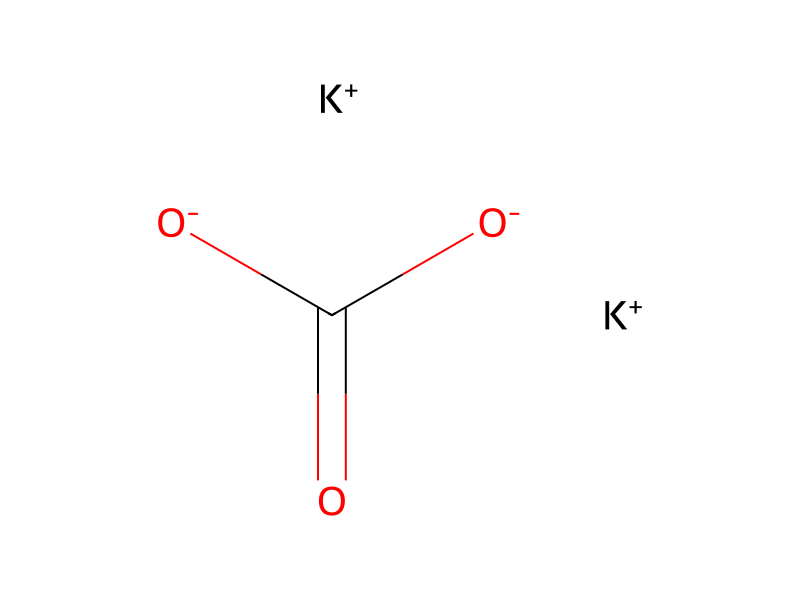
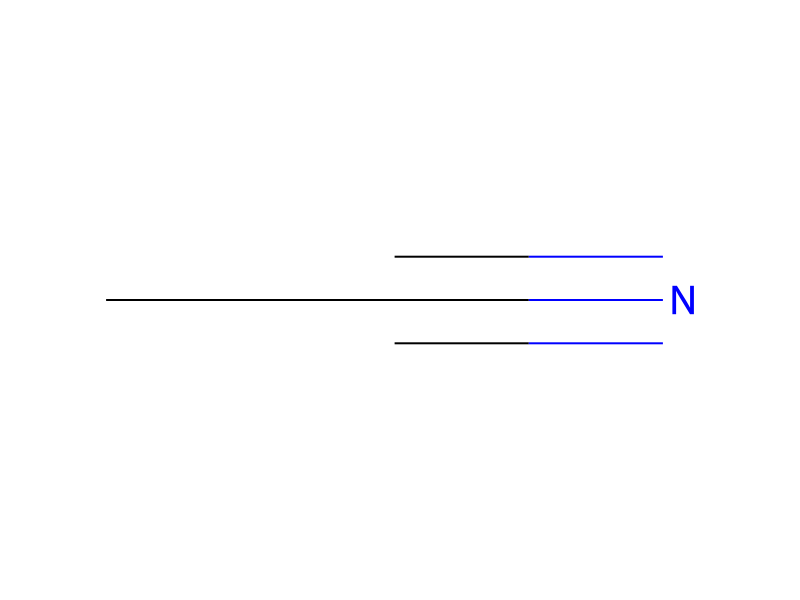
Under argon, 2-(6-methoxy-3-nitropyridin-2-yl)acetonitrile (500 mg, 2.59 mmol) was dissolved in acetonitrile (11 mL) in a flame dried round-bottom flask. Two equivalents of anhydrous potassium carbonate (0.72 g, 5.18 mmol) were added to this solution, and methyl 2-bromoacetate (245 μL, 2.59 mmol) was introduced dropwise. The reaction mixture was stirred at room temperature until the starting materials were consumed, approximately four hours. The crude material was combined with CH2Cl2 and inorganic debris was filtered off using a phase separator syringe equipped with a sodium sulfate drying cartridge. The filter cake was washed with small quantities of CH2Cl2 and all organic filtrates were collected and combined. The organic solvents were evaporated in vacuo at 40° C. and the resulting viscous dark brownish oil either directly used in the next reaction step or purified by flash chromatography on a short silica-gel column (ethyl acetate/hexane gradient) prior to its further chemical reaction. C11H11N3O5, Mr=265.22; 1H NMR (400 MHz, DMSO-d6) d: 3.15-3.29 (m, 2H), 3.64 (s, 3H), 3.99 (s, 3H), 5.22 (t, J=7.2 Hz, 1H), 7.08 (d, J=9.2 Hz, 1H), 8.48 (d, J=8.8 Hz, 1H); LCMS (ESI) tR: 1.98 min (96-100%, UV220, UV254, ELSD), m/z: 266.2 [M+1]+.