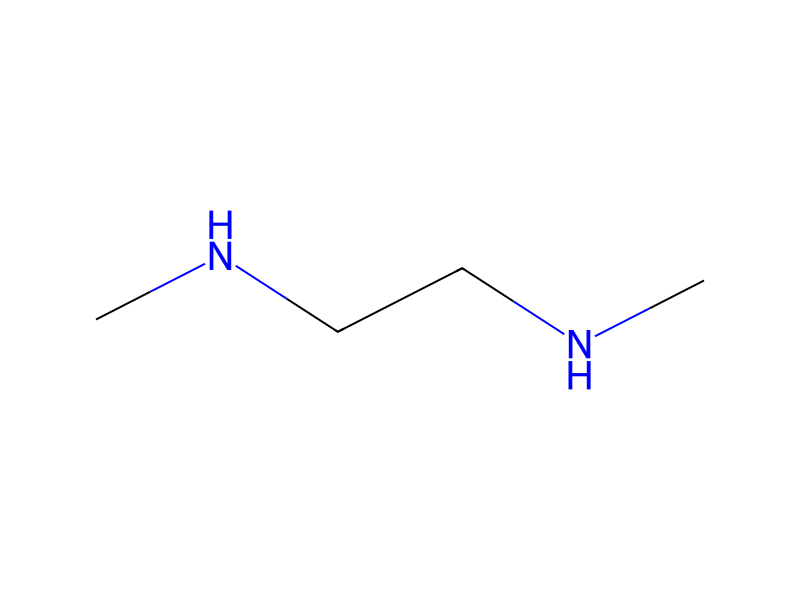
[CH2:1]([O:3][C:4]1[N:9]=[CH:8][C:7]([O:10][C@@H:11]2[CH2:15][CH2:14][NH:13][C:12]2=[O:16])=[CH:6][CH:5]=1)[CH3:2].Br[C:18]1[CH:26]=[C:25]2[C:21]([CH2:22][CH2:23][C:24]2=[O:27])=[C:20]([F:28])[CH:19]=1.CNCCNC>O1CCOCC1>[CH2:1]([O:3][C:4]1[N:9]=[CH:8][C:7]([O:10][C@@H:11]2[CH2:15][CH2:14][N:13]([C:18]3[CH:26]=[C:25]4[C:21](=[C:20]([F:28])[CH:19]=3)[CH2:22][CH2:23][C:24]4=[O:27])[C:12]2=[O:16])=[CH:6][CH:5]=1)[CH3:2]In a further alternative preparation a mixture of (R)-3-((6-ethoxypyridin-3-yl)oxy)pyrrolidin-2-one (2.00 g), 6-bromo-4-fluoro-2,3-dihydro-1H-inden-1-one (2.30 g), N,N′-dimethyl-ethylene-diamine (10 mL) and 1,4-dioxane (20 mL) was purged with argon and cesium carbonate (3.8 g) and copper(I) iodide (100 mg) were added. The mixture was heated to 100° C. for 1.5 hours. After cooling to r.t. the mixture was diluted with EA and washed with water (5 times) and brine. The organic layer was dried (Na2SO4) and concentrated. The residue was purified by SGC (eluent: heptane with 0 to 70% EA) to provide Example 2-08. 1H-NMR (400 MHz, DMSO) δ 7.99 (1H, dd, J=11.3, 1.8 Hz), 7.97 (1H, d, J=3.1 Hz), 7.77 (1H, d, J=1.8 Hz), 7.53 (1H, dd, J=8.9, 3.1 Hz), 6.76 (1H, d, J=8.9 Hz), 5.22 (1H, dd, J=8.3, 8.3 Hz), 4.24 (2H, q, J=7.0 Hz), 3.96 (1H, m), 3.86 (1H, m), 3.11 (2H, m), 2.72 (2H, m), 2.69 (1H, m), 2.13 (1H, m), 1.30 (3H, t, J=7.0 Hz).