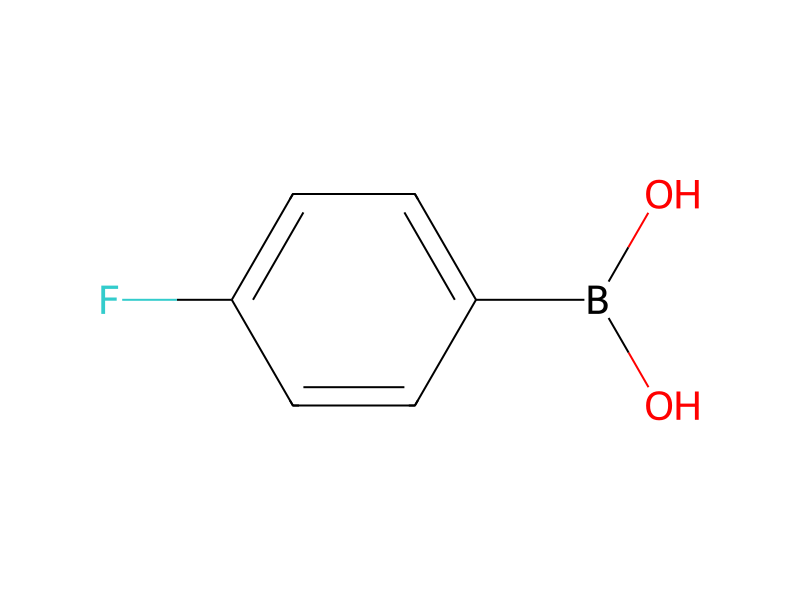
Br[C:2]1[N:3]([CH2:9][O:10][CH2:11][CH2:12][Si:13]([CH3:16])([CH3:15])[CH3:14])[C:4]([Br:8])=[C:5]([Br:7])[N:6]=1.[F:17][C:18]1[CH:23]=[CH:22][C:21](B(O)O)=[CH:20][CH:19]=1.C([O-])([O-])=O.[Na+].[Na+]>C1C=CC([P]([Pd]([P](C2C=CC=CC=2)(C2C=CC=CC=2)C2C=CC=CC=2)([P](C2C=CC=CC=2)(C2C=CC=CC=2)C2C=CC=CC=2)[P](C2C=CC=CC=2)(C2C=CC=CC=2)C2C=CC=CC=2)(C2C=CC=CC=2)C2C=CC=CC=2)=CC=1.COCCOC>[Br:7][C:5]1[N:6]=[C:2]([C:21]2[CH:22]=[CH:23][C:18]([F:17])=[CH:19][CH:20]=2)[N:3]([CH2:9][O:10][CH2:11][CH2:12][Si:13]([CH3:16])([CH3:15])[CH3:14])[C:4]=1[Br:8]A microwave vial was charged with 2,4,5-tribromo-1-((2-(trimethylsilyl)ethoxy)methyl)-1H-imidazole (881 mg, 2.0 mmol, Example 2, Step 2), 4-fluorophenyl boronic acid (308 mg, 2.2 mmol), aqueous Na2CO3 solution (6 ml, 2.0 M, 12.0 mmol) and DME (12 ml). The mixture was sparged with argon for 15 min, followed by addition of Pd(PPh3)4 (120 mg, 0.1 mmol). The reaction vial was sealed and heated at 110° C. for 20 minutes in a microwave reactor; the reaction was deemed complete by LCMS. The reaction mixture was partitioned between saturated Na2CO3 solution and EtOAc (10 ml/30 ml), the organic layer was separated, washed with brine (10 ml), dried (Na2SO4), and concentrated. The resulting residue was purified by flash column chromatography (SiO2; 100:0-80:20 hexanes-EtOAc) to furnish 4,5-dibromo-2-(4-fluorophenyl)-1-((2-(trimethylsilyl)ethoxy)methyl)-1H-imidazole (780 mg, 1.73 mmol, 87%) as a solid: 1H NMR (400 MHz, DMSO-d6) δ 7.80-7.70 (m, 2H), 7.37 (app t, J=9.0 Hz, 2H), 5.33 (s, 2H), 3.52 (t, J=8.2 Hz, 2H), 0.83 (t, J=8.2 Hz, 2H), −0.06 (s, 9H).