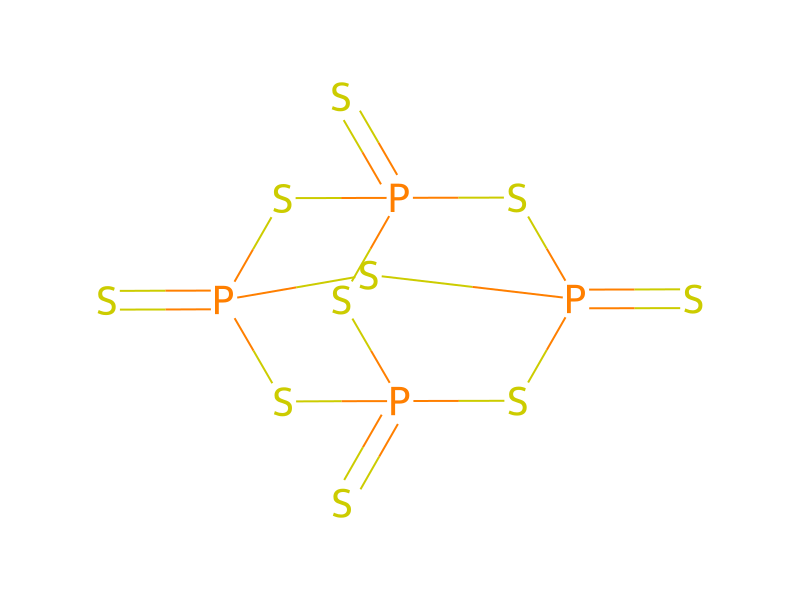
To a stirred room temperature suspension of P4S10 (6.0 g, 13.4 mmol) and Na2CO3 (1.42 g, 13.4 mmol) in THF (40 mL) was slowly added a solution of (R)-5-(3-fluoro-phenyl)-morpholin-3-one (2.16 g, 11.1 mmol) in THF (30 mL). The mixture was stirred at room temperature for two hours, and then quenched by addition of 10% aqueous Na3PO4 (50 mL). The mixture was stirred another five minutes and then extracted with a 1:1: mixture of ethyl acetate and diethyl ether. The organic layer was separated, dried (MgSO4), filtered and concentrated under reduced pressure. The residue was chromatographed through silica gel using a 15-30% ethyl acetate/hexanes solvent gradient to give 1.84 g (78%) of (R)-5-(3-fluoro-phenyl)-morpholine-3-thione as a white solid, MP=124-125° C.