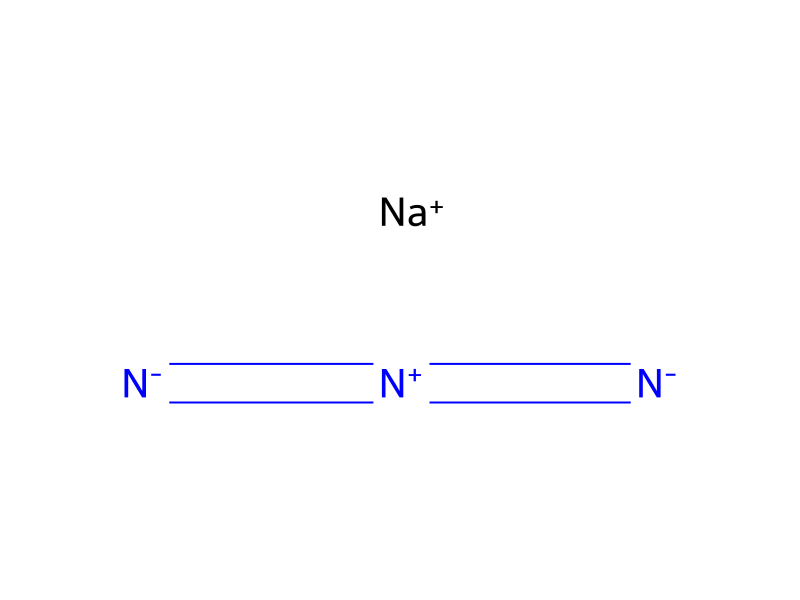
Sodium Azide → 2-Azido-N-[2-(1,3,4,5-tetrahydro-2H-2-benzazepin-2-yl)quinolin-4-yl]acetamide
HRID 540330
Reaktionsgleichung

Cl[CH2:2][C:3]([NH:5][C:6]1[C:15]2[C:10](=[CH:11][CH:12]=[CH:13][CH:14]=2)[N:9]=[C:8]([N:16]2[CH2:22][CH2:21][CH2:20][C:19]3[CH:23]=[CH:24][CH:25]=[CH:26][C:18]=3[CH2:17]2)[CH:7]=1)=[O:4].[N-:27]=[N+:28]=[N-:29].[Na+]>C(#N)C.C(OCC)(=O)C>[N:27]([CH2:2][C:3]([NH:5][C:6]1[C:15]2[C:10](=[CH:11][CH:12]=[CH:13][CH:14]=2)[N:9]=[C:8]([N:16]2[CH2:22][CH2:21][CH2:20][C:19]3[CH:23]=[CH:24][CH:25]=[CH:26][C:18]=3[CH2:17]2)[CH:7]=1)=[O:4])=[N+:28]=[N-:29]Komponenten
5