Reaktionsgleichung

[C:1]1([NH:7][NH2:8])[CH:6]=[CH:5][CH:4]=[CH:3][CH:2]=1.Cl.ClC1C=C[C:14]([NH:17]N)=[CH:13][CH:12]=1.Cl.ClC1C=C(NN)C=CC=1.Cl.FC1C=C(NN)C=CC=1.Cl.ClC1C=C(NN)C=CC=1Cl.C(#N)C=C.C(#N)C(C)=C.C(#N)/C=C/C.C(#N)C=CC1C=CC=CC=1.C(C(=C)C#N)CCC.C(OCCC#N)C.[O-]CC.[Na+].O.OCC[N+](C)(C)C>C(O)C>[NH2:17][C:14]1[CH2:13][CH2:12][N:7]([C:1]2[CH:6]=[CH:5][CH:4]=[CH:3][CH:2]=2)[N:8]=1.[NH:7]1[CH2:1][CH:6]=[CH:5][NH:8]1Komponenten
Edukt 13
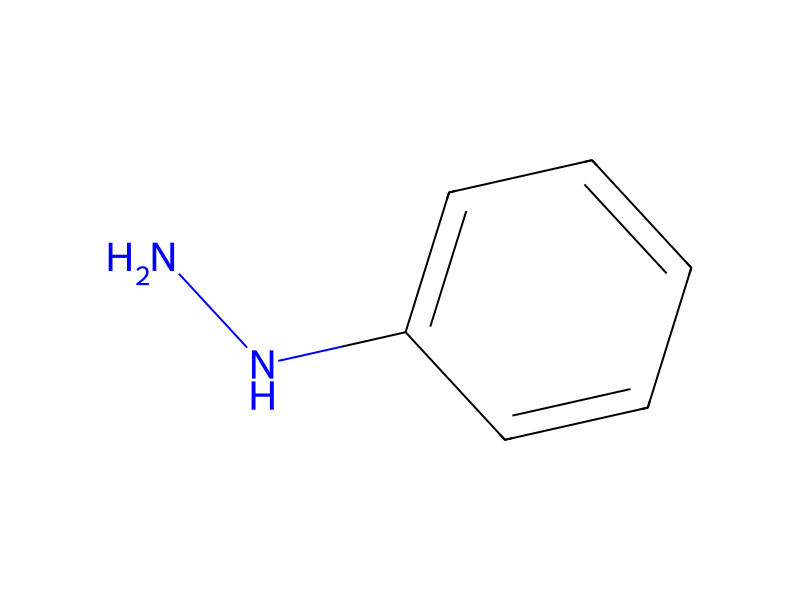 HCID 7516Phenylhydrazine
 HCID 7855Acrylonitrile
 HCID 16501Propanenitrile, 3-ethoxy-
 HCID 31368Methacrylonitrile
 HCID 71600Hydrazine, (4-chlorophenyl)-, hydrochloride (1:1)
 HCID 746673-Phenylprop-2-enenitrile
 HCID 75331m-Chlorophenylhydrazine hydrochloride
 HCID 5247652-Butylacrylonitrile
 HCID 637921Crotononitrile
 HCID 27239143-Fluorophenylhydrazine hydrochloride
 HCID 2723922Sodium ethoxide
 HCID 3084323(3,4-Dichlorophenyl)hydrazine monohydrochloride
 HCID 20195019Choline hydrate
Produkt 2


Reagenzien, Katalysatoren, Lösungsmittel 1

Versuchsvorschrift
Preparation of the novel 3-substituted amino-1-phenyl-2-pyrazoline and 3-substituted amino-1-substituted phenyl-2-pyrazoline compounds V of the instant invention, which exhibit the pharmaceutical activity as herein described, is accomplished by the adaptation of the procedure of Duffin, G. F. and Kendall, J. D., J. Chem. Soc., 1954, 408; with modifications in accordance with the following reaction scheme: ##STR6## wherein R1, R2 and R3 are as previously defined. In accordance with the above reaction scheme, phenylhydrazine or a halogen-mono or disubstituted phenylhydrazine hydrochloride II such as p-chlorophenylhydrazine hydrochloride, m-chlorophenylhydrazine hydrochloride, m-fluorophenylhydrazine hydrochloride or 3,4-dichlorophenylhydrazine hydrochloride is reacted with an α, β-unsaturated nitrile I, such as acrylonitrile, methacrylonitrile, crotononitrile, cinnamonitrile, butyl acrylonitrile or compounds such as β-ethoxypropionitrile (which can undergo base catalyzed elimination to yield I) in a base catalyzed condensation procedure, with a base such as sodium ethoxide or choline hydrate in absolute ethanol. The reaction mixture is refluxed for a period of from 2-18 hours then the solvent is removed in vacuo. The addition of water gives a filterable solid which is collected, dissolved in dichloromethane and passed through a short column of a hydrous magnesium silicate. The column effluent is then refluxed on a steam bath with the gradual addition of hexane until crystallization is noted. Recrystallization from the same solvent pair (with or without additional treatment with a hydrous magnesium silicate) or from acetone-hexane provides the 3-amino-1-phenyl-2-pyrazoline and 3-amino-1-mono and disubstituted phenyl-2-pyrazoline compounds III. If the pyrazoline III is not soluble in dichloromethane, recrystallization may be accomplished from acetone-hexane, 95% ethanol or benzene with the omission of the hydrous magnesium silicate treatment phase.
Aufarbeitung
- customwith modifications in accordance with the following reaction scheme
- customcondensation procedure
- temperatureThe reaction mixture is refluxed for a period of from 2-18 hours
- customthe solvent is removed in vacuo
- additionThe addition of water
- customgives a filterable solid which
- customis collected
- dissolutiondissolved in dichloromethane
- temperatureThe column effluent is then refluxed on a steam bath with the gradual addition of hexane until crystallization
- customRecrystallization from the same solvent pair (with or without additional treatment with a hydrous magnesium silicate) or from acetone-hexane
Quellen und Nachweise
- ORD-Eintrag
- ord-9809a54f1be64fe2aab35cad871d3b28
- Quelldatensatz
- uspto-grants-1984_05
- Patentnummer
- US04448973
Verknüpfte Notizen
Wird geladen…