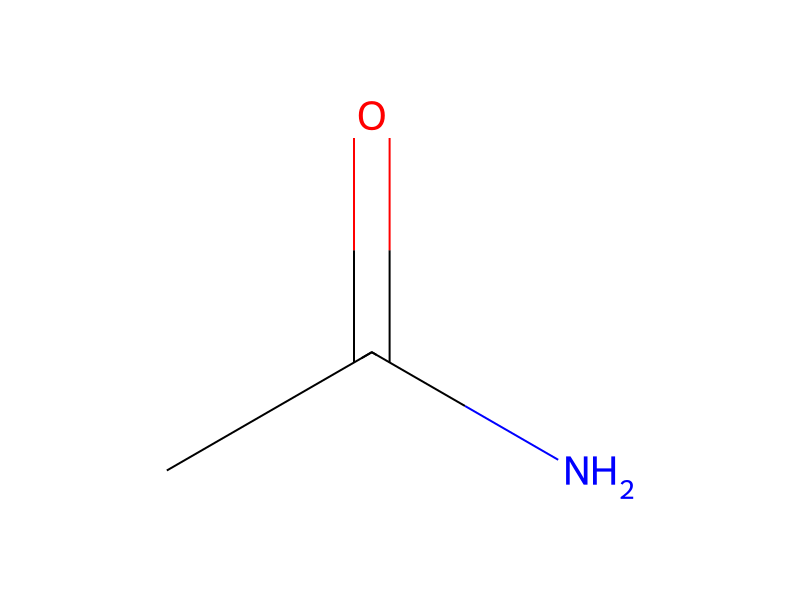
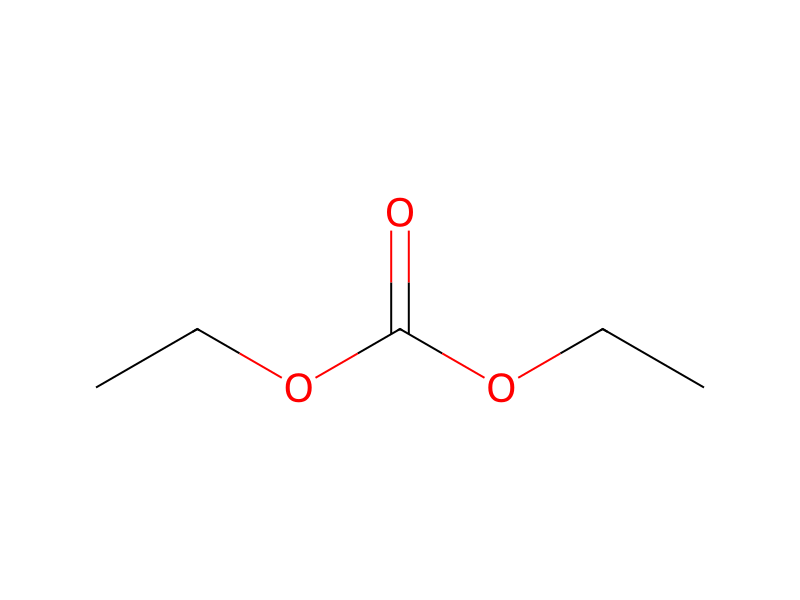
Potassium tert.-butoxide (539 mg., 4.8 mmoles) was dissolved in ethanol (2.12 g., 2.65 ml., 4.6 moles). Diethyl carbonate (625 mg., 5.3 mmoles) and then 2-(5-chloro-2-methoxyphenyl)-2-hydroxyacetamide (1.0 g., 4.6 mmoles) were added and the mixture was stirred for a few minutes to achieve solution, and then heated to reflux for 16 hours, at which time tlc (1:1 ethyl acetate: chloroform) indicated some unreacted starting material. Addition of more diethyl carbonate (625 mg.) and potassium tert-butoxide (100 mg.) and a further 2.5 hours of reflux did not appear to significantly reduce the level of starting acetamide. The reaction mixture was cooled to room temperature, poured into excess, iced lN hydrochloric acid and extracted with three portions of chloroform. The combined chloroform extracts were extracted with excess 5% sodium bicarbonate in two portions. The combined bicarbonate extracts were poured slowly into excess lN hydrochloric acid to precipitate 5-(5-chloro-2-methoxyphenyl)oxazolidine-2,4-dione (430 mg. 39%; m.p. 179°-181° C).