Bromobenzene → HCID 57619617, Verbindung
Reaktionsgleichung

[Cl:1][C:2]1[C:3]([OH:16])=[C:4]([C:11]([O:13]CC)=O)[C:5](=[O:10])[N:6]([CH3:9])[C:7]=1[CH3:8].[NH2:17][C:18]1[NH:19][C:20]2[CH:26]=[CH:25][CH:24]=[CH:23][C:21]=2[N:22]=1.BrC1C=CC=CC=1>CCCCCC>[N:19]1[C:20]2[CH:26]=[CH:25][CH:24]=[CH:23][C:21]=2[NH:22][C:18]=1[NH:17][C:11]([C:4]1[C:5](=[O:10])[N:6]([CH3:9])[C:7]([CH3:8])=[C:2]([Cl:1])[C:3]=1[OH:16])=[O:13]Komponenten
5
Edukt 3
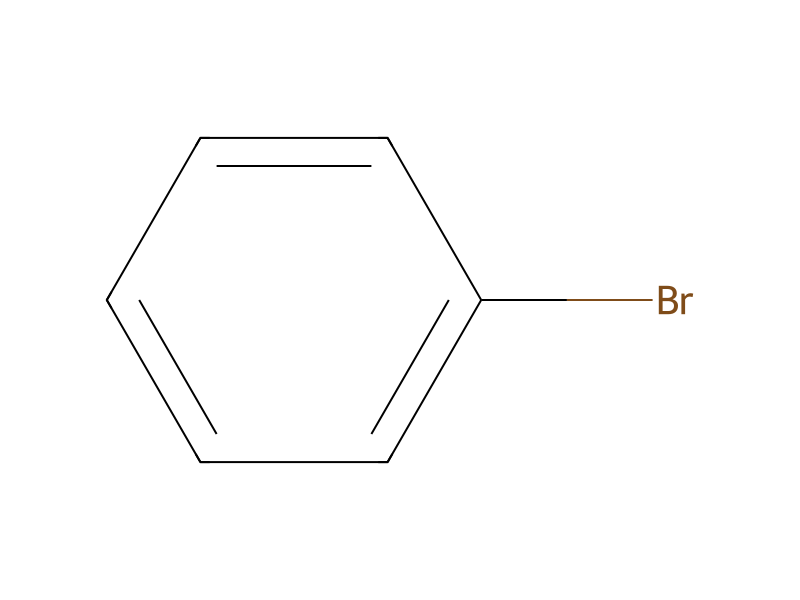


Produkt 1

Reagenzien, Katalysatoren, Lösungsmittel 1

Versuchsvorschrift
199 mg of ethyl 5-chloro-1,6-dimethyl-4-hydroxy-2-oxo-1,2-dihydropyridine-3-carboxylate and 98 mg of 2-amino-benzimidazole were added to 2 ml of bromobenzene, then, the mixture was stirred for 9.5 hours under heat refluxing condition. The reaction mixture was cooled to room temperature, then, hexane was added to this and the resultant mixture was allowed to stand still. The resulting solid was collected by filtration, and washed with a mixture of t-butyl methyl ether and n-hexane and dried to obtain 202 mg of N-(2-benzimidazolyl)-5-chloro-1,6-dimethyl-4-hydroxy-2-oxo-1,2-dihydropyridine-3-carboxamide (hereinafter, referred to as present compound 28) represented by the formula: