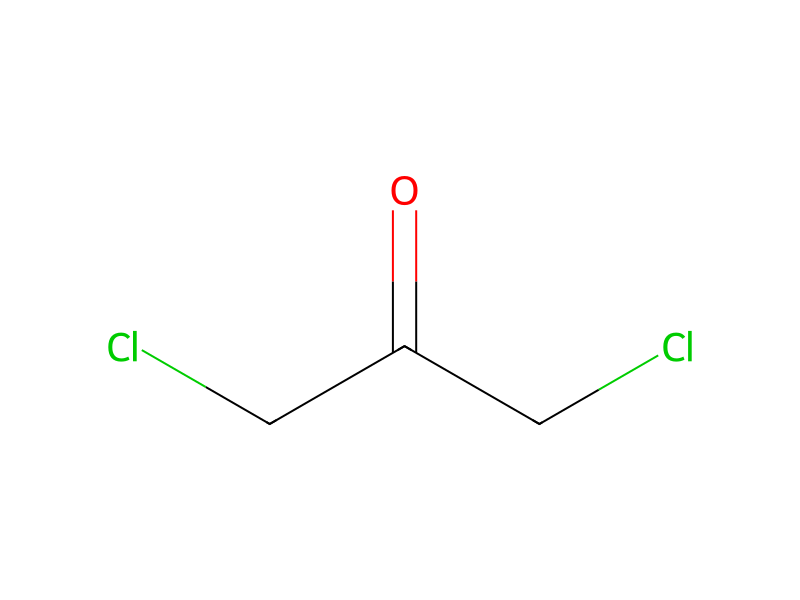
[Cl:1][C:2]1[CH:3]=[CH:4][C:5]2[N:11]=[C:10]([NH2:12])[CH2:9][N:8]=[C:7]([C:13]3[CH:18]=[CH:17][CH:16]=[CH:15][C:14]=3[F:19])[C:6]=2[CH:20]=1.Cl[CH2:22][C:23]([CH2:25]Cl)=O.C(=O)([O-])[OH:28].[Na+].[OH-].[Na+]>O1CCOCC1>[Cl:1][C:2]1[CH:3]=[CH:4][C:5]2[N:11]3[CH:25]=[C:23]([CH2:22][OH:28])[N:12]=[C:10]3[CH2:9][N:8]=[C:7]([C:13]3[CH:18]=[CH:17][CH:16]=[CH:15][C:14]=3[F:19])[C:6]=2[CH:20]=1A suspension of 20.0 g of 7-chloro-5-(2-fluorophenyl)-3H-1,4-benzodiazepin-2-ylamine and 9.72 g of 1,3-dichloroacetone in 300 ml of dioxan was treated with 5.84 g of sodium hydrogen carbonate and heated at reflux for 6 h. Then, 160 ml of 1N aqueous sodium hydroxide solution were added dropwise and the mixture was boiled for a further hour. The reaction mixture was concentrated in a vacuum to a large extent, treated with water and extracted three times with equal volumes of dichloromethane. The combined organic phases were dried over magnesium sulphate, concentrated in a vacuum and chromatographed over 1 kg of silica gel. With dichloromethane containing 5% methanol there were obtained 11.3 g of the desired product which was recrystallized from ethyl acetate/diisopropyl ether. There were thus obtained 10.5 g (44%) of 8-chloro-6-(2-fluorophenyl)-4H-imidazo[1,2-a][1,4]benzodiazepine-2-methanol of m.p. 199-201° C.