Cesium carbonate → HCID 90280686, Verbindung
Reaktionsgleichung

[Cl:1][C:2]1[CH:3]=[CH:4][C:5]2[S:6][CH2:7][C:8](=[O:12])[NH:9][C:10]=2[N:11]=1.C([O-])([O-])=O.[Cs+].[Cs+].[CH2:19](Cl)[C:20]1[CH:27]=[CH:26][C:23]([O:24][CH3:25])=[CH:22][CH:21]=1>CN(C=O)C>[Cl:1][C:2]1[CH:3]=[CH:4][C:5]2[S:6][CH2:7][C:8](=[O:12])[N:9]([CH2:19][C:20]3[CH:27]=[CH:26][C:23]([O:24][CH3:25])=[CH:22][CH:21]=3)[C:10]=2[N:11]=1Komponenten
5
Edukt 3

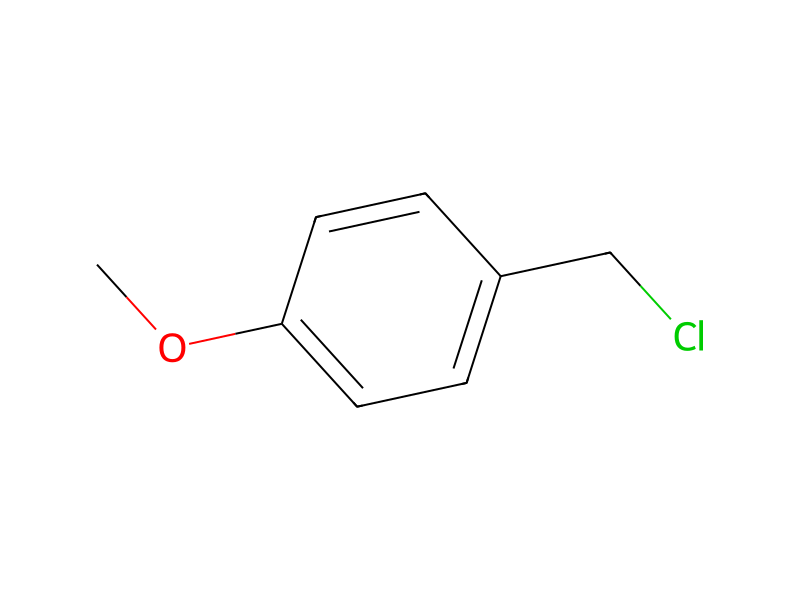

Produkt 1

Reagenzien, Katalysatoren, Lösungsmittel 1

Versuchsvorschrift
A suspension of 6-chloro-2H-pyrido[3,2-b][1,4]thiazin-3(4H)-one (prepared as described in WO 2010/041194, 0.8 g, 3.99 mmol), Cs2CO3 (1.56 g, 4.78 mmol) and PMB-Cl (0.61 mL, 4.39 mmol) in DMF (8 mL) was stirred at rt for 4 h. The solvent was evaporated to dryness and the residue was partitioned between EA (20 mL) and water (25 mL). The aq. layer was extracted once with EA (15 mL) and the combined org. layers were washed with brine (20 mL), dried over Na2SO4 and concentrated to dryness. The residue (1.39 g) was crystallized in a mixture of ether/Hept (2:3). After filtration, the title compound was obtained as an orange solid (1.2 g, 93% yield).