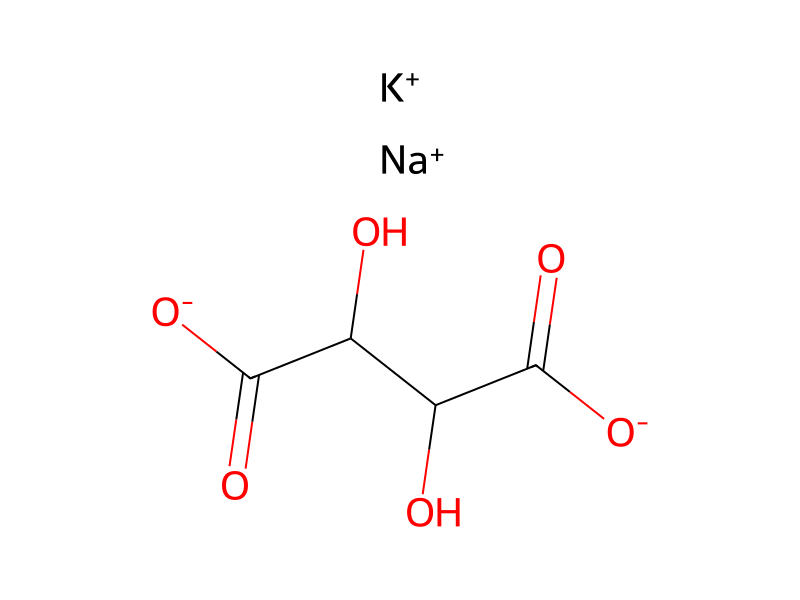
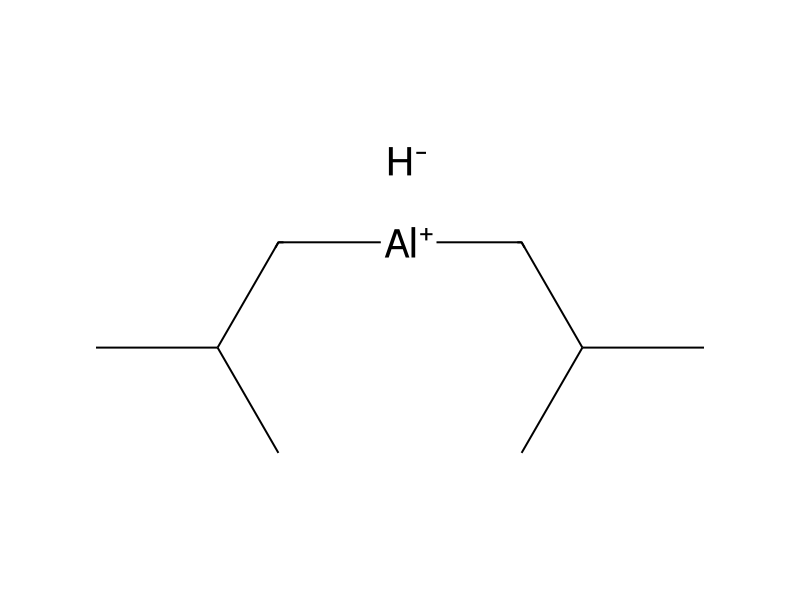
3.50 g of 1-(3-Chloro-5-trifluoromethyl-pyridin-2-yl)-cyclopropanecarbonitrile (step 1) was dissolved in 70 ml of dichloromethane and the solution was cooled to −78° C. At this temperature 14.9 ml of diisobutylaluminium hydride (1M solution in tetrahydrofuran) was added dropwise under stirring. The mixture was left to warm to ambient temperature and stirred for 6 days. Then the reaction mixture was poured into 100 ml of a saturated aqueous solution of potassium sodium tartrate and stirred for one hour. The aqueous phase was extracted three times with 100 ml portions of dichloromethane, the organic phase dried over sodium sulfate, filtered and concentrated. The residue was purified by chromatography on silica gel with cyclohexane/ethyl acetate (95:5) as eluent. Thus, 0.72 g of 1-(3-chloro-5-trifluoromethyl-pyridin-2-yl)-cyclopropanecarbaldehyde was obtained as a yellow oil. 1H-NMR (CDCl3): 9.07 ppm (s, 1H), 8.73 ppm (s, 1H), 7.98 ppm (s, 1H), 1.78 ppm (m, 2H), 1.69 ppm (m, 2H).