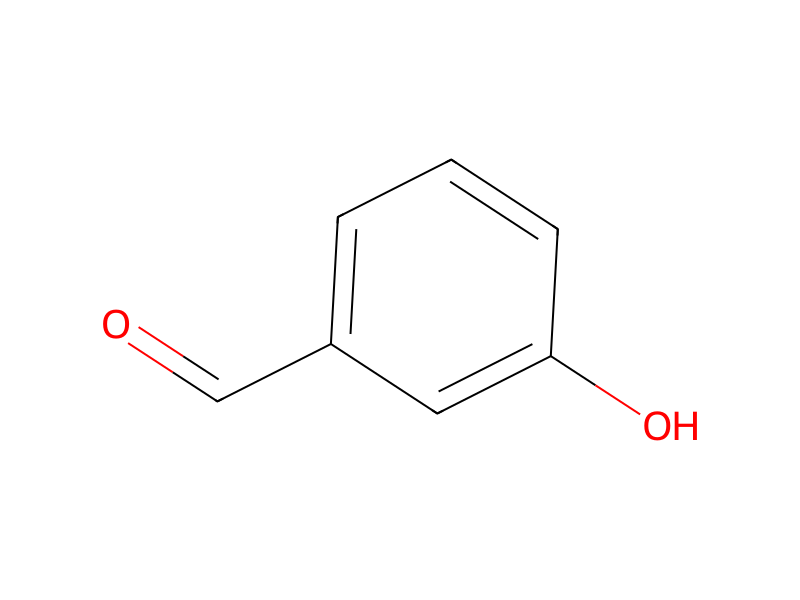
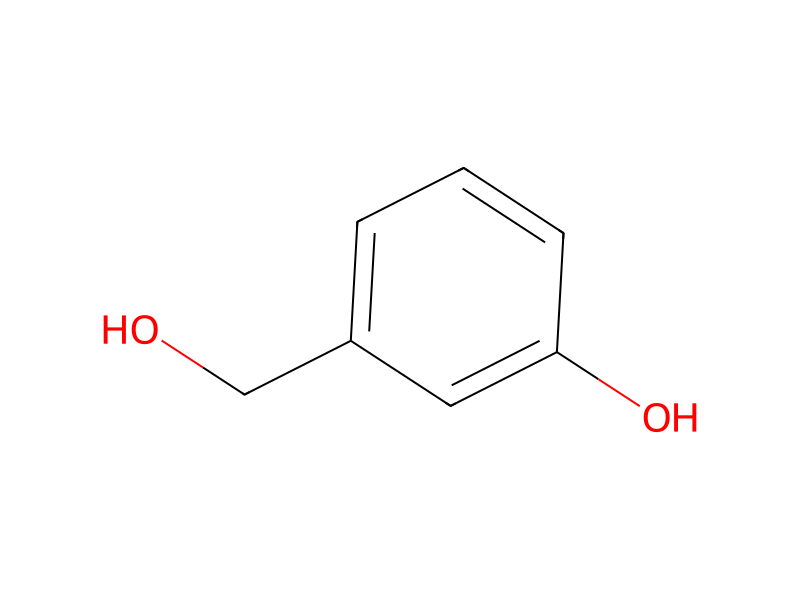
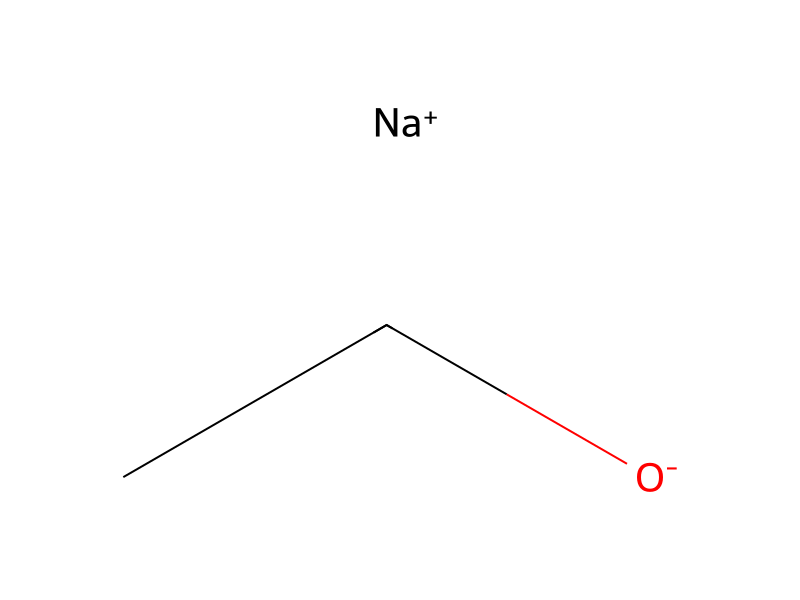
3-Hydroxybenzyl alcohol (7.93 g, 63.8 mmol) is dissolved in 500 ml of DMF, sodium ethoxide (5.22 g, 76.6 mmol) is added, the mixture is stirred with exclusion of moisture for 15 min and 4-chloropyridine-2-carboxamide (D. Varlet et al. Heterocycles 2000, 53, 797-804) is then added. The mixture is stirred at 138° C. for 70 hours and again a solution of 4 g of 3-hydroxybenzaldehyde and 2.6 g of sodium ethoxide in 100 ml of DMF, which solution is stirred for 15 min, is added. The mixture is stirred at 138° C. for 12 h and then concentrated under reduced pressure. The residue is transferred into saturated KH2PO4 solution and extracted with ethyl acetate. The organic phase is washed with water. The combined aqueous phases are re-extracted with ethyl acetate. The combined dried organic phases are concentrated under reduced pressure and chromatographed on silica gel using a toluene/ethyl acetate gradient. This gives 5.04 g (32.3% of theory) of the target compound having a m.p. of 113° C. and an Rf (SiO2, ethyl acetate) of 0.49.