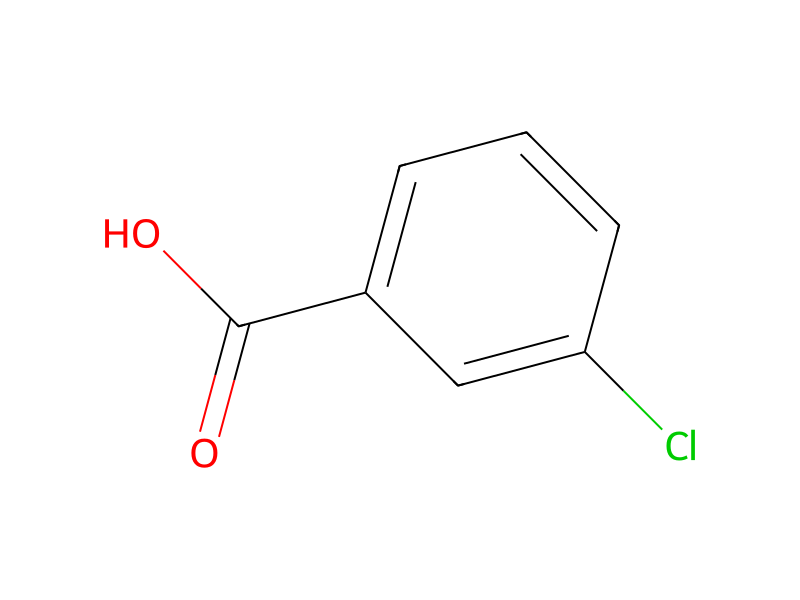
[Br:1][CH2:2][C:3]([C:5]1[CH:10]=[CH:9][C:8]([S:11][CH3:12])=[CH:7][CH:6]=1)=[O:4].ClC1C=CC=C(C(OO)=[O:21])C=1.ClC1C=C(C=CC=1)C(O)=O>C(Cl)(Cl)Cl>[Br:1][CH2:2][C:3]([C:5]1[CH:10]=[CH:9][C:8]([S:11]([CH3:12])=[O:21])=[CH:7][CH:6]=1)=[O:4]A solution of 2-bromo-1-(4-methylsulphanylphenyl)-1-ethanone (3.7 g, 15 mmol) in CHCl3 (50 ml) is maintained at a temperature of −5° C. A solution of m-chloroperbenzoic acid (70%, 3.7 g, 15 mmol) in CHCl3 (30 ml) cooled to 0° C. is added dropwise while maintaining an IT of −5° C. to 0° C. After stirring for ½ hour in the cold, the deposited m-chlorobenzoic acid is filtered off. The filtrate is first washed with NaHCO3 solution (8% strength, 50 ml) until acid-free and then rewashed with water (50 ml). The CHCl3 phase dried over Na2SO4 sicc. is concentrated in vacuo. A yellowish residue (1.3 g) results.