Hydrochloric Acid → HCID 15552091, Verbindung
Reaktionsgleichung

[OH-].[Na+].[CH:3]([N:6]1C[CH2:9][CH2:8][C:7]1=O)([CH3:5])[CH3:4].Cl.[C:13](=[O:16])([O-])[O-:14].[Na+].[Na+].[Br:19][C:20]1[CH:21]=[CH:22][C:23](F)=[C:24]([CH:27]=1)[CH:25]=[O:26]>CS(C)=O>[Br:19][C:20]1[CH:21]=[CH:22][C:23]([N:6]([CH:3]([CH3:5])[CH3:4])[CH2:7][CH2:8][CH2:9][C:13]([OH:14])=[O:16])=[C:24]([CH:25]=[O:26])[CH:27]=1Komponenten
Edukt 5




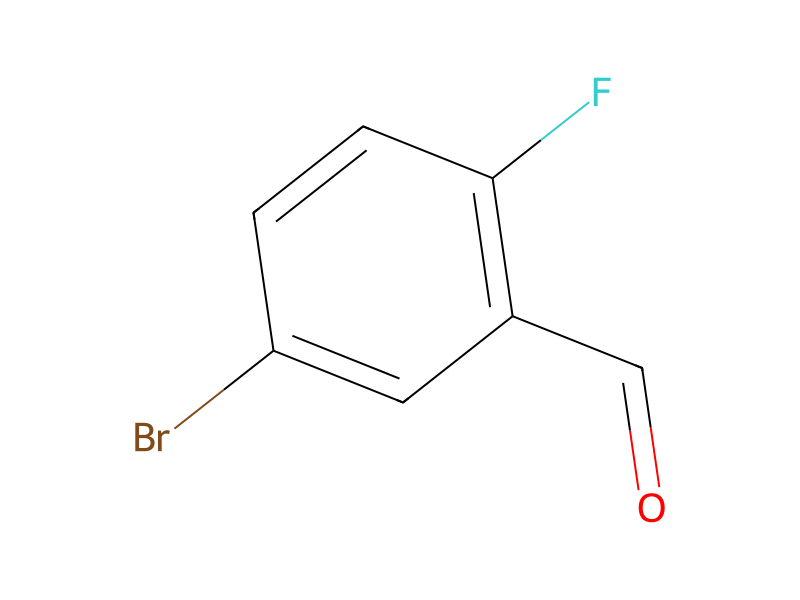
Produkt 1

Reagenzien, Katalysatoren, Lösungsmittel 1

Reaktionsbedingungen
- Temperatur
- 0 °C
Versuchsvorschrift
4N sodium hydroxide (36 ml) was added to 1-isopropyl-2-pyrrolidone (9.2 g), and the mixture was stirred for 3.5 hours. After cooled to 0° C., the mixture was neutralized with concentrated hydrochloric acid. After sodium carbonate (15.3 g) was added thereto, a solution of 5-bromo-2-fluorobenzaldehyde (7.3 g) in dimethyl sulfoxide (96 ml) was added thereto, and the mixture was heated to reflux for 5 hours. After cooled to room temperature, pH was adjusted to approximate 4 with 6N hydrochloric acid, and the mixture was extracted with ethyl acetate/THF. The extract was washed with saturated brine and dried with magnesium sulfate. The solvent was removed under reduced pressure, and the resulting residue was purified with silica gel column chromatography (hexane/ethyl acetate=4/1→3/2) to give 4-(4-bromo-2-formylisopropylanilino)butyric acid (0.92 g).
Aufarbeitung
- temperaturethe mixture was heated
- temperatureto reflux for 5 hours
- temperatureAfter cooled to room temperature
- extractionthe mixture was extracted with ethyl acetate/THF
- washThe extract was washed with saturated brine
- dry with materialdried with magnesium sulfate
- customThe solvent was removed under reduced pressure
- customthe resulting residue was purified with silica gel column chromatography (hexane/ethyl acetate=4/1→3/2)
Quellen und Nachweise
- ORD-Eintrag
- ord-e17d7eef7a4547969de5e0a5055c0b58
- Quelldatensatz
- uspto-grants-2005_08
- Patentnummer
- US06936602B1
Notizen zur Reaktion
Wird geladen…