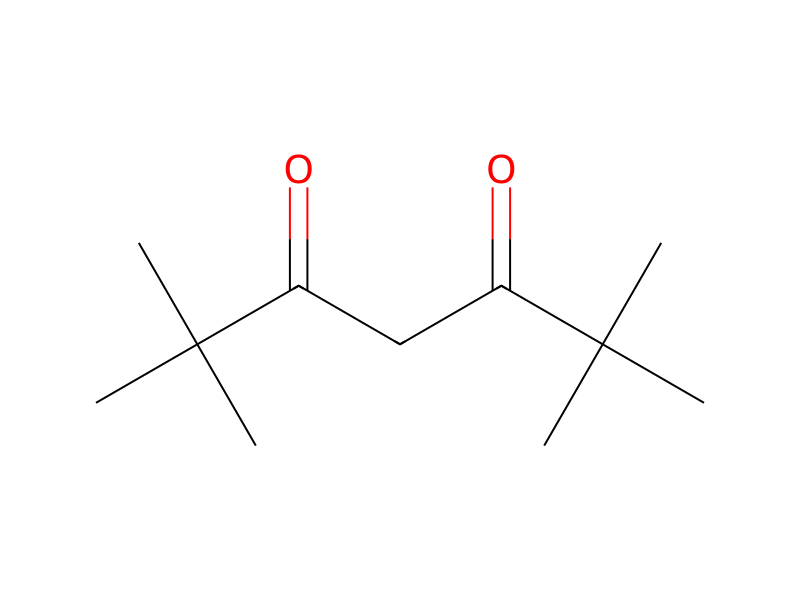
[CH3:1][C:2]1[CH:7]=[CH:6][CH:5]=[C:4]([CH3:8])[C:3]=1[OH:9].[H-].[Na+].[CH2:12]([N:19]1[CH2:24][CH2:23][O:22][CH:21]([C:25]2[CH:30]=[CH:29][C:28](Br)=[CH:27][CH:26]=2)[CH2:20]1)[C:13]1[CH:18]=[CH:17][CH:16]=[CH:15][CH:14]=1.CC(C)(C(=O)CC(=O)C(C)(C)C)C.C(=O)([O-])[O-].[Cs+].[Cs+]>C1(C)C=CC=CC=1.[Cu]I>[CH2:12]([N:19]1[CH2:24][CH2:23][O:22][CH:21]([C:25]2[CH:30]=[CH:29][C:28]([O:9][C:3]3[C:4]([CH3:8])=[CH:5][CH:6]=[CH:7][C:2]=3[CH3:1])=[CH:27][CH:26]=2)[CH2:20]1)[C:13]1[CH:14]=[CH:15][CH:16]=[CH:17][CH:18]=12,6-Dimethylphenol was added portionwise to a suspension of NaH (272 mg, 60% in oil, 6.8 mmol) in toluene (15 mL). After complete addition the mixture was heated under reflux for 15 min. and subsequently cooled to room temperature. To the resulting mixture was added a solution of 4-benzyl-2-(4-bromo-phenyl)-morpholine (1.5 g, 4.5 mmol) in toluene (10 mL), followed by copper(I) iodide (438 mg, 2.3 mmol), 2,2,6,6-tetramethyl-3,5-heptanedione (0.48 mL, 2.3 mmol), and cesium carbonate (2.96 g, 9.1 mmol). The obtained mixture was heated under reflux for 3 days. After cooling to room temperature, the mixture was partitioned between EtOAc and water. The layers were separated. The organic layer was dried (Na2SO4), filtered and concentrated in vacuo. The residue was purified by column chromatography (EtOAc:heptanes 5:95) to afford 4-benzyl-2-[4-(2,6-dimethyl-phenoxy)-phenyl]-morpholine (1.2 g), which was used as such in the next step.