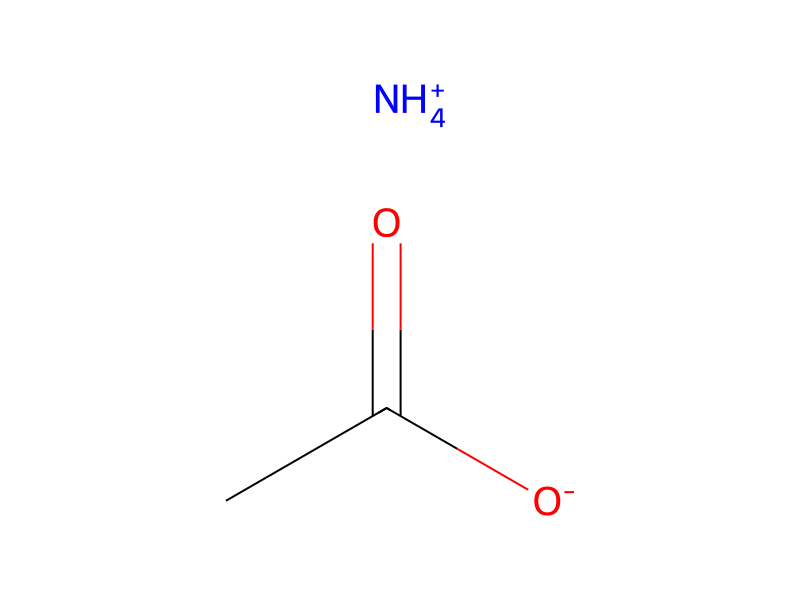
[NH2:1][C:2]1[C:7]([NH2:8])=[C:6]([NH:9][C@@H:10]2[C@@H:15]3[O:16][C@@H:12]([CH2:13][CH2:14]3)[C@@H:11]2[C:17]([NH2:19])=[O:18])[C:5]([Cl:20])=[CH:4][N:3]=1.[CH3:21][O:22][C:23]1[CH:30]=[C:29]([N:31]2[CH2:36][CH2:35][O:34][CH2:33][CH2:32]2)[CH:28]=[CH:27][C:24]=1[CH:25]=O.C([O-])(=O)C.[NH4+]>CCO>[Cl:20][C:5]1[C:6]([NH:9][C@@H:10]2[C@@H:15]3[O:16][C@@H:12]([CH2:13][CH2:14]3)[C@@H:11]2[C:17]([NH2:19])=[O:18])=[C:7]2[N:8]=[C:25]([C:24]3[CH:27]=[CH:28][C:29]([N:31]4[CH2:36][CH2:35][O:34][CH2:33][CH2:32]4)=[CH:30][C:23]=3[O:22][CH3:21])[NH:1][C:2]2=[N:3][CH:4]=1(1S,2R,3S,4R)-3-(2,3-diamino-5-chloropyridin-4-ylamino)-7-oxabicyclo[2.2.1]heptane-2-carboxamide (17) (140 mg, 0.47 mmol), 2-methoxy-4-morpholinobenzaldehyde (93 mg, 0.42 mmol) were taken in EtOH (15 ml) to which ammonium acetate (40 mg) was added and the reaction mixture was heated at 70° C. for 48 h. Crude LCMS showed the desired product along with trace of starting material. The reaction mixture was allowed to come to rt and the precipitated was filtered and washed well with hot ethanol to afford the desired product (120 mg, 51%) as an off white solid. NMR: δ (1H, 400M Hz, CDCl3): 1.50-1.80 (4H, m), 2.95 (1H, d, J=8.4 Hz), 3.27 (4H, bs), 3.76 (4H, bs), 3.96 (3H, s), 4.32 (1H, d, J=4.4 Hz), 4.57 (1H, s), 5.51 (1H, t, J=4.4 Hz), 6.63 (1H, s), 6.69 (1H, d, J=8.4 Hz), 6.90 (1H, d, J=8.4 Hz), 7.18 (1H, s), 7.60 (1H, s), 7.91 (1H, s), 8.05 (1H, d, J=8.8 Hz), 12.14 (1H, s). LCMS (254 nm): [M+H]+ 499.00 (100%). HPLC: (254 nm) 97.68%.