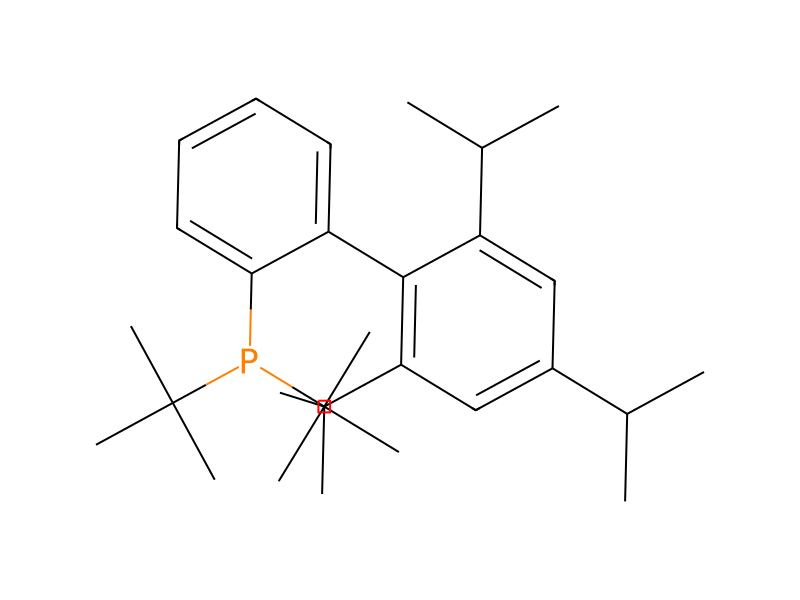
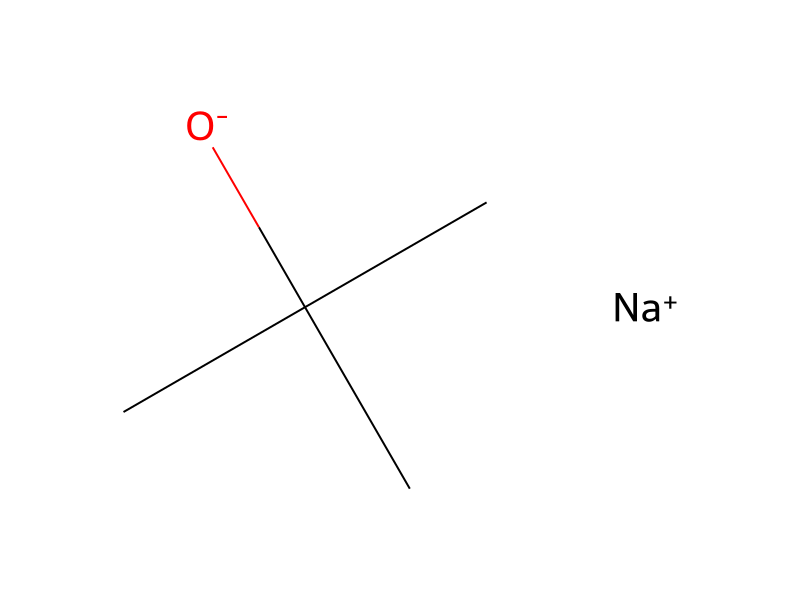
A solution of (R)-5-(5-bromo-2-fluoro-phenyl)-5-methyl-morpholin-3-one (building block B) (1.0 g, 3.47 mmol) in toluene (61 ml) was treated with benzophenonimine (1.26 g, 6.94 mmol), tris(dibenzylideneacetone)-dipalladium chloroform complex (108 mg, 0.104 mmol), 2-di-tert-butylphosphino-2′,4′,6′-triisopropylbiphenyl (147 mg, 0.347 mmol) and sodium tert-butoxide (1.0 g, 10.4 mmol). The mixture was heated to 105° C. and stirred at this temperature for 18 hours. Even though following TLC (silica gel; heptane:ethyl acetate=1:1) the reaction was not completed, the mixture was stirred with hydrochloric acid (1M, 50 ml) for 45 minutes. Solid sodium hydrogen carbonate was added until pH 8 was reached and the mixture was extraced with ethyl acetate. The combined organic layers were dried over sodium sulphate and evaporated at reduced pressure. The crude material was purified by flash chromatography on silica gel using a gradient of heptane/ethyl acetate=100:0 to 20:80 as the eluent. The (R)-5-(5-amino-2-fluoro-phenyl)-5-methyl-morpholin-3-one was obtained as a dark red oil (312 mg, 40%); (calculated) C11H13FN2O2 [224.24]; (found) [M+H]+=225.