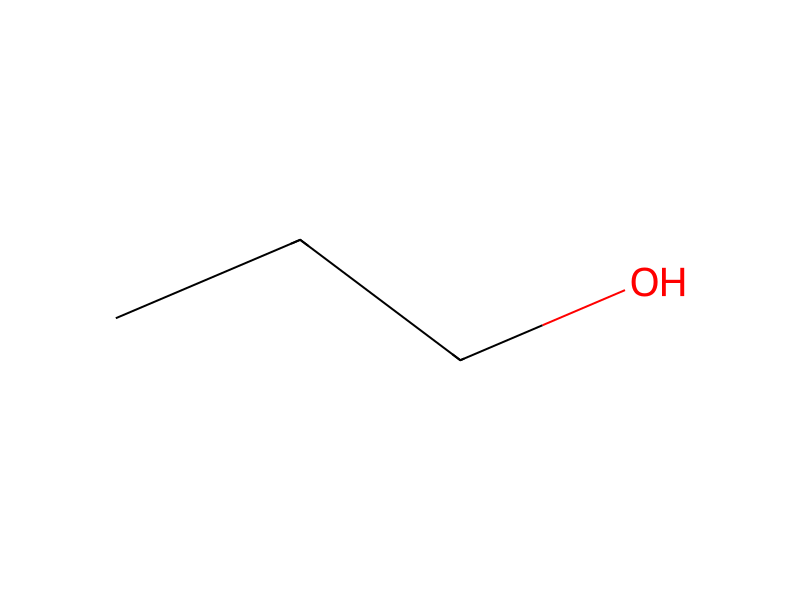
2,4-Dichloro-5-fluoropyrimidine (111 g, 661.47 mmol, 1.00 equiv., 99.5%), potassium trifluoro(vinyl)borate (98 g, 716.72 mmol, 1.08 equiv., 98%), TEA (67 g, 98%), 1-propanol (1100 mL), PdCl2(dppf).CH2Cl2 (27 g, 33.06 mmol, 0.05 equiv) were added into five 2000-mL pressure tank reactors which purged and maintained with an inert atmosphere of nitrogen. The resulting solution was stirred overnight at 105° C. The reaction mixture of five batches was combined and then cooled to room temperature with a water bath. The solid was filtered out. The filtrate was concentrated under reduced vacuum. The residue was applied onto a silica gel column and eluted with ethyl acetate/petroleum ether (1:20) to afford 2-chloro-4-ethenyl-5-fluoropyrimidin as a highly volatile yellow oil.