StartseiteMCPWorkbenchSkills
StartseiteWorkbenchBenachrichtigungenMein Bereich
llms.txt · MCP-AnleitungDatenschutz · Nutzungsbedingungen · Supportv1.8.3
  1. Startseite
  2. /Reaktion

Diethyl Carbonate → Ethyl 4-bromothiazole-2-carboxylate

HRID 605944
Drucken

Reaktionsgleichung

Reaktionsgleichung von HRID 605944
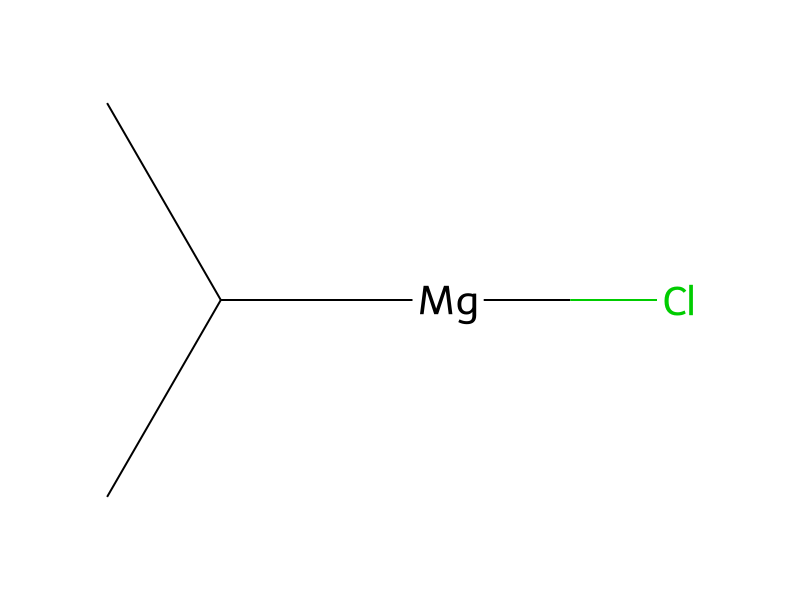
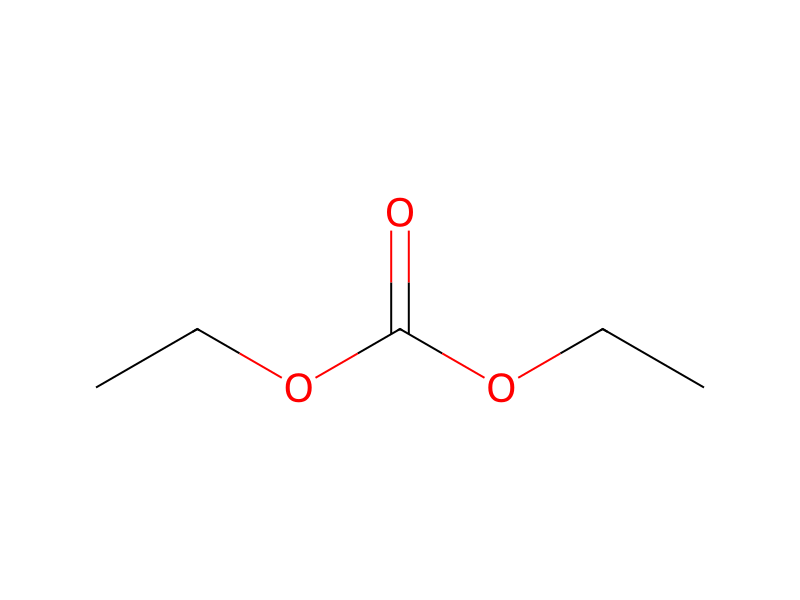
[Br:1][C:2]1[N:3]=[C:4](Br)[S:5][CH:6]=1.C([Mg]Cl)(C)C.[C:13](=O)([O:17]CC)[O:14][CH2:15][CH3:16]>C1COCC1>[CH2:15]([O:14][C:13]([C:4]1[S:5][CH:6]=[C:2]([Br:1])[N:3]=1)=[O:17])[CH3:16]
KomponentenReaktionsbedingungenVersuchsvorschriftAufarbeitungQuellen und NachweiseNotizen zur Reaktion

Komponenten

5

Edukt 3

HCID 7766Diethyl CarbonateHCID 27632972,4-Dibromo-1,3-thiazoleHCID 178418918HCID 178418918, Verbindung

Produkt 1

HCID 49757955Ethyl 4-bromothiazole-2-carboxylateAusbeute 52 %

Reagenzien, Katalysatoren, Lösungsmittel 1

HCID 8028TetrahydrofuranLösungsmittel3×

Reaktionsbedingungen

Temperatur
0 °C

Versuchsvorschrift

To a solution of dibromothiazole (1 g, 4.15 mmol) in THF (15 mL) at 0° C., is added dropwise a solution of iPrMgCl in THF (2 M, 2.3 mL, 4.57 mmol, 1.10 equiv.). The reaction is stirred at 0° C. for 0.25 h. To the resulting orange solution is added via a cannula, diethyl carbonate (3 mL) in THF (5 ml). The resulting green solution is stirred further at room temperature for 0.5 h, at which point the reaction is quenched by adding saturated NH4Cl. The title compound is purified by LC using 6/4 cyclohexane/DCM as the eluent to afford 514.2 mg (52%) of the title compound as a pale yellow powdery solid.

Aufarbeitung

  1. stirringThe resulting green solution is stirred further at room temperature for 0.5 h, at which
  2. customis quenched
  3. additionby adding saturated NH4Cl
  4. customThe title compound is purified by LC

Quellen und Nachweise

ORD-Eintrag
ord-1842841737b94662a73ef1c8b5129fd1
Quelldatensatz
uspto-grants-2011_03
DOI
10.6084/m9.figshare.5104873.v1
Patentnummer
US07915256B2

Notizen zur Reaktion

Auf dieser SeiteKomponentenReaktionsbedingungenVersuchsvorschriftAufarbeitungQuellen und NachweiseNotizen zur Reaktion