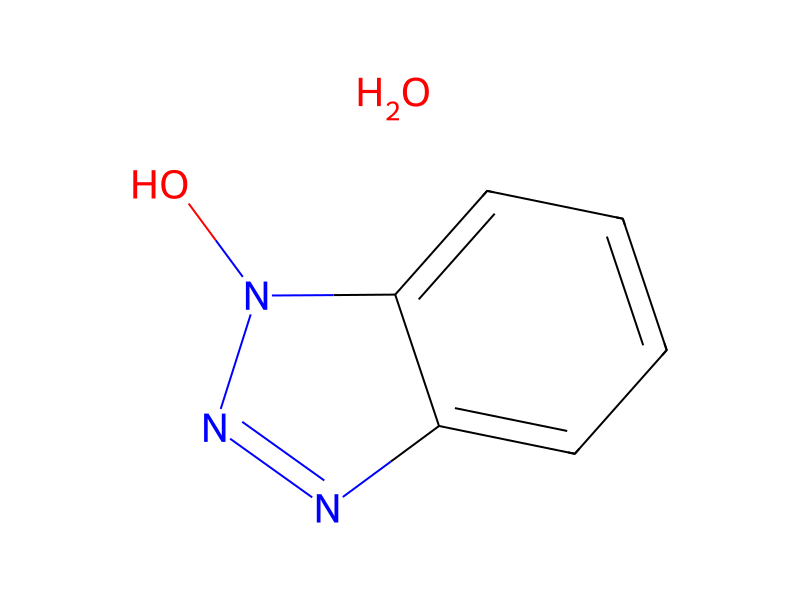
Add N-(3-dimethylaminopropyl)-N-ethylcarbodiamide hydrochloride (128 mg, 0.66 mmol) to a solution of 5-(5-cyanopyridin-3-ylethynyl)-2-fluorobenzoic acid (prepared as described in EXAMPLE 120), (158 mg, 0.59 mmol) and 1-hydroxybenzotriazole hydrate (87 mg, 0.64 mmol) in N,N-dimethylformamide (5 mL) and stir for 5 min to form a gel. Add additional N,N-dimethylformamide (4 mL) to enable stirring of the reaction mixture and stir for 0.5 h. Bubble anhydrous ammonia gas through the reaction mixture for 1-2 min. and then stir for an additional 15 min. Dilute the reaction mixture with ethyl acetate and a saturated aqueous solution of sodium bicarbonate and separate the layers. Extract the aqueous phase once with ethyl acetate. Wash the combined organic phases once with an aqueous saturated solution of sodium chloride, dry (sodium sulfate), filter and concentrate. Purify the residue by silica gel chromatography, eluting with 20:80 ethyl acetate:dichloromethane, to give the title compound as a white solid (66 mg, 42%).