Reaktionsgleichung

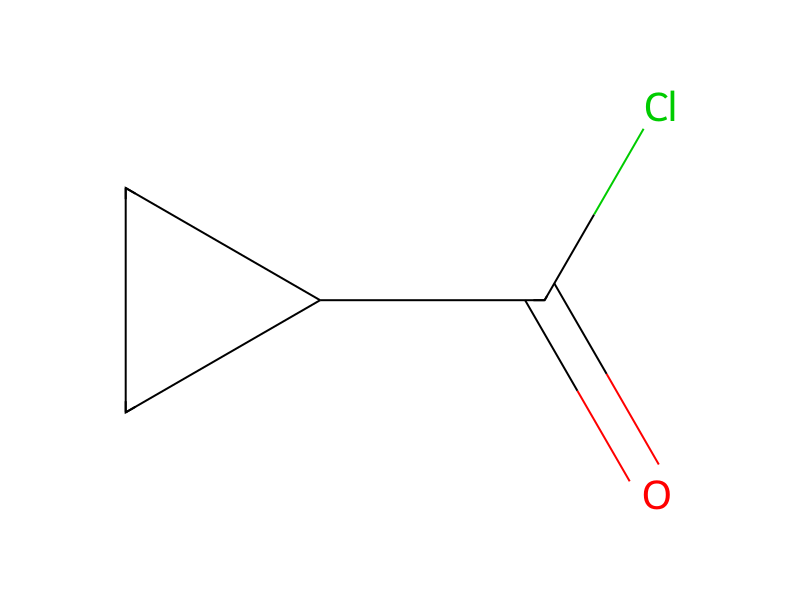
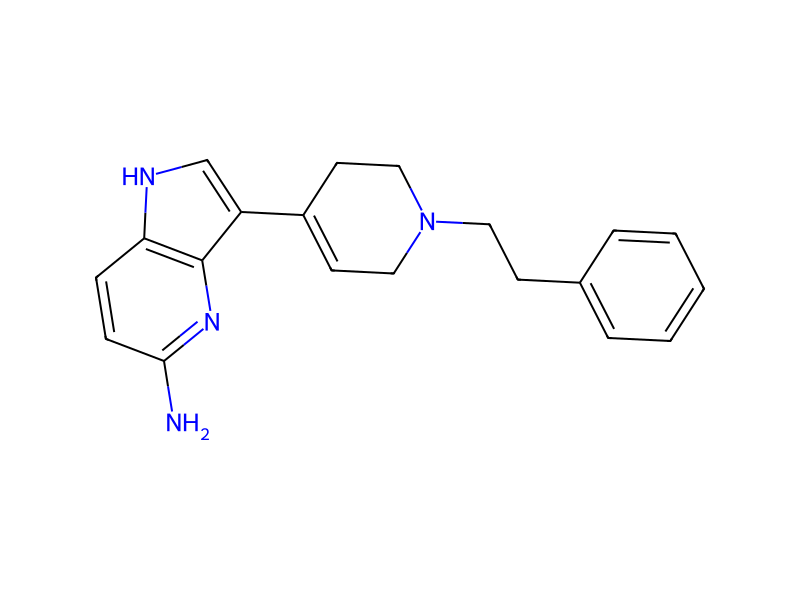
[NH2:1][C:2]1[N:7]=[C:6]2[C:8]([C:11]3[CH2:12][CH2:13][N:14]([CH2:17][CH2:18][C:19]4[CH:24]=[CH:23][CH:22]=[CH:21][CH:20]=4)[CH2:15][CH:16]=3)=[CH:9][NH:10][C:5]2=[CH:4][CH:3]=1.[CH:25]1([C:28](Cl)=[O:29])[CH2:27][CH2:26]1>>[CH:25]1([C:28]([NH:1][C:2]2[N:7]=[C:6]3[C:8]([C:11]4[CH2:12][CH2:13][N:14]([CH2:17][CH2:18][C:19]5[CH:20]=[CH:21][CH:22]=[CH:23][CH:24]=5)[CH2:15][CH:16]=4)=[CH:9][NH:10][C:5]3=[CH:4][CH:3]=2)=[O:29])[CH2:27][CH2:26]1Komponenten
3

Versuchsvorschrift
Beginning with 0.015 gm (0.047 mMol) 5-amino-3-(1-(2-phenyleth-1-yl)-1,2,3,6-tetrahydropyridin-4-yl)pyrrolo[3,2-b]pyridine and 0.006 mL (0.061 mMol) cyclopropylcarbonyl chloride, the title compound was prepared essentially by the procedure described in Example 7. MS(m/e): 387(M+1)
Quellen und Nachweise
- ORD-Eintrag
- ord-8e9dc74d4ce5449d8da7bdc02813b43e
- Quelldatensatz
- uspto-grants-1999_12
- Patentnummer
- US05998622
Verknüpfte Notizen
Wird geladen…