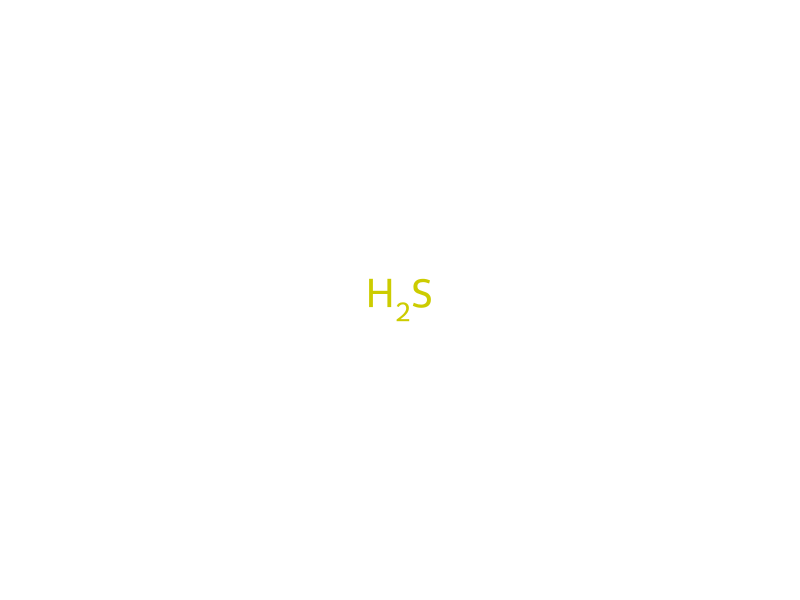
To a solution of 5.4 g of 3-amino-2-cyano-3-(dimethylamino)propenenitrile and 4.0 g of triethylamine in 25 ml of dimethylformamide at 50° were added 11.6 g of aqueous hydrogen sulfide. Upon complete addition of hydrogen sulfide, the reaction mixture was heated at 65° for 1 hour. Since comparison by thin-layer chromatography of the reaction mixture with the starting material indicated that no reaction had taken place, the reaction temperature was increased to 80°, where it was maintained for two hours, but again no reaction occurred. A small amount of triethylamine and 1 g of hydrogen sulfide were added to the solution. Heating was then continued at 85°. After 30 minutes reaction (as determined by thin-layer chromatography) was 40% complete. Small increments of triethylamine and hydrogen sulfide were added as heating continued until, after 21/2 hours at 85°, reaction was 95% complete. The solution was poured onto 150 ml of ice-water, and was purged with nitrogen gas to remove excess hydrogen sulfide. After 30 minutes, a solid formed, and was collected by filtration. The solid filter cake was washed with cold water and air-dried overnight to give 4.6 g of white solid 3-amino-2-cyano-3-(dimethylamino)propenethioamide, m.p. 186°-187° . The nmr spectrum was consistent with the assigned structure.