Ammonia → HCID 15408476, Verbindung
Reaktionsgleichung

[SH:1][C:2]([CH3:14])([CH3:13])[CH2:3][NH:4][CH2:5][CH2:6][NH:7][CH2:8][C:9]([CH3:12])([SH:11])[CH3:10].N.[CH3:16][O:17][C:18]1[CH:25]=[CH:24][C:21]([CH2:22]Cl)=[CH:20][CH:19]=1>CO>[CH3:16][O:17][C:18]1[CH:25]=[CH:24][C:21]([CH2:22][S:1][C:2]([CH3:14])([CH3:13])[CH2:3][NH:4][CH2:5][CH2:6][NH:7][CH2:8][C:9]([CH3:12])([S:11][CH2:22][C:21]2[CH:24]=[CH:25][C:18]([O:17][CH3:16])=[CH:19][CH:20]=2)[CH3:10])=[CH:20][CH:19]=1Komponenten
5
Edukt 3

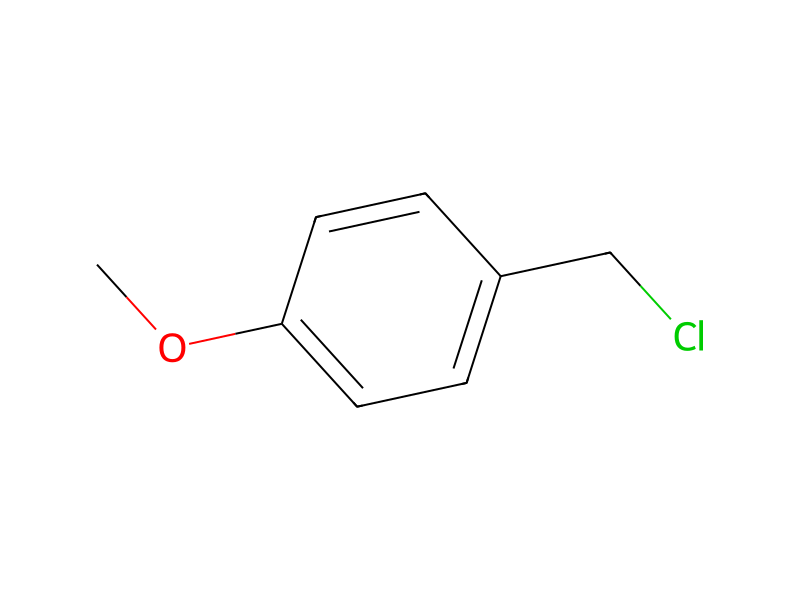

Produkt 1

Reagenzien, Katalysatoren, Lösungsmittel 1

Versuchsvorschrift
A solution of N,N'-bis(2-mercapto-2-methylpropyl)ethylenediamine (11.23 g, 47.5 mmol; see, DiZio et al., 1991, Bioconjugate Chem 2: 353 and Corbin et al., 1976, J. Org. Chem. 41: 489) in methanol (500 mL) was cooled in ice/water bath and then saturated with gaseous ammonia over 45 min. To this was added 4-methoxybenzyl chloride (17.0 mL, 125 mmol, 264 mol %). The reaction was allowed to warm to room temperature overnight with stirring under argon. The solution was concentrated to a paste and then partitioned between diethyl ether (150 mL) and 0.5 M KOH (200 mL). The aqueous layer was further extracted with diethyl ether (2×50 mL). The combined organic layers were washed with NaCl solution and concentrated to a clear colorless oil. The oil was dissolved in diethyl ether (200 mL) and then acidified with 4.0 M HCl in dioxane until no further precipitation was seen. The white precipitate was collected by filtration and washed with diethyl ether. The white solid was recrystallized from hot water at a pH of ~2. The product was collected by filtration to afford 29.94 g as a mix of mono- and di-HCl salts. The HCl salts were partitioned between 1 M KOH (100 mL) and ethyl acetate (100 mL). The aqueous was extracted with ethyl acetate (2×30 mL) and the combined organic layers were washed with NaCl solution, dried with Na2SO4 and concentrated to give pure product as the free base as a light yellow oil (18.53 g, 82% yield). Nuclear magnetic resonance characterization experiments yielded the following molecular signature: