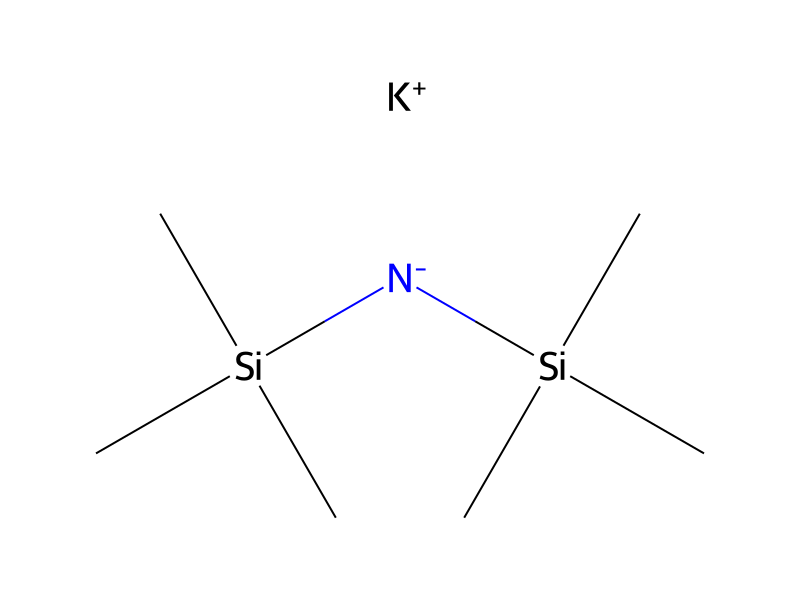
To a solution of methyl(1,1-diethoxyethyl)phosphine oxide, prepared as described in EP 0 501 702 (89.3 g, 0.5 mol) in THF (900 ml) at -78° C. under an atmosphere of argon is added a solution of potassium bis(trimethylsilyl)amide (688 ml, 0.521 mol) in toluene over 15 minutes. After stirring for 1 hour at -78° C., methyl iodide (34 ml, 0.55 mol) is added over 5 minutes and stirring at -78° C. continued for 1 hour. The reaction is then quenched by the addition of a 1% solution of NaH2PO4 (450 ml) and slow warming to room temperature. Concentration gives an aqueous suspension to which dichloromethane (600 ml) is added. The organic phase is separated and washed with 1% NaH2PO4 (500 ml), followed by water (500 ml). Drying over MgSO4, concentration and purification by flash vacuum silica column chromatography (chloroform-ethanol 40:1) gives a clear oil which is distilled to give dimethyl (1,1-diethoxyethyl)phosphine oxide. b.p. 100° C. at 0.05 mmHg.