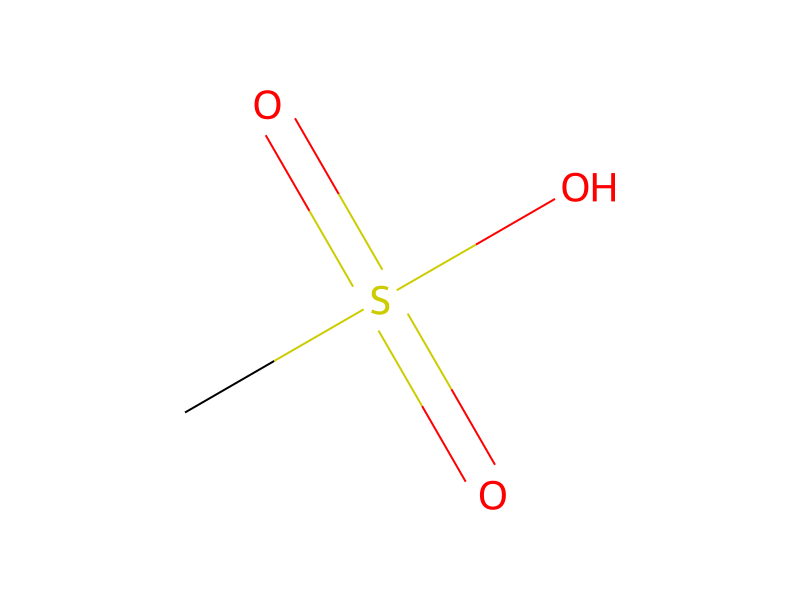
[CH:1]1([N:6]2[C:10]([NH2:11])=[C:9]([C:12]([NH2:14])=[O:13])[C:8]([CH2:15][CH3:16])=[N:7]2)[CH2:5][CH2:4][CH2:3][CH2:2]1.[CH2:17]([O:19][C:20]1[CH:27]=[CH:26][CH:25]=[CH:24][C:21]=1[CH:22]=O)[CH3:18].C([O-])([O-])=O.[K+].[K+].C(Cl)(Cl)Cl>CS(O)(=O)=O.C(Cl)Cl>[CH:1]1([N:6]2[C:10]3=[N:11][C:22]([C:21]4[CH:24]=[CH:25][CH:26]=[CH:27][C:20]=4[O:19][CH2:17][CH3:18])=[N:14][C:12](=[O:13])[C:9]3=[C:8]([CH2:15][CH3:16])[NH:7]2)[CH2:2][CH2:3][CH2:4][CH2:5]1A mixture of 1-cyclopentyl-3-ethyl-5-amino-1H-pyrazole-4-carboxamide (2.0 g, 9 mmol), o-ethoxybenzaldehyde (2.7 g, 18 mmol), methanesulfonic acid (5 drops), and xylenes (50 ml) was refluxed for 48 hours. The reaction mixture was stripped to dryness, and treated with 10% K2CO3 and CHCl3 (100 ml). The layers were separated and the aqueous layer was extracted with chloroform (2×100 ml). The organic layers were combined, and concentrated in vacuo. The dark oil thus obtained was dissolved in CH2Cl2 (30 ml) and combined with silica gel (30 g). The preloaded silica gel was placed on a silica gel column and eluted with Et2O/hexanes (20/80) to Et2O (100%) to afford 1.41 g (45%) of 1-cyclopentyl-3-ethyl-6-(2-ethoxyphenyl)-pyrazolo[3,4-d]pyrimidin-4-one, m.p. 146-147° C.