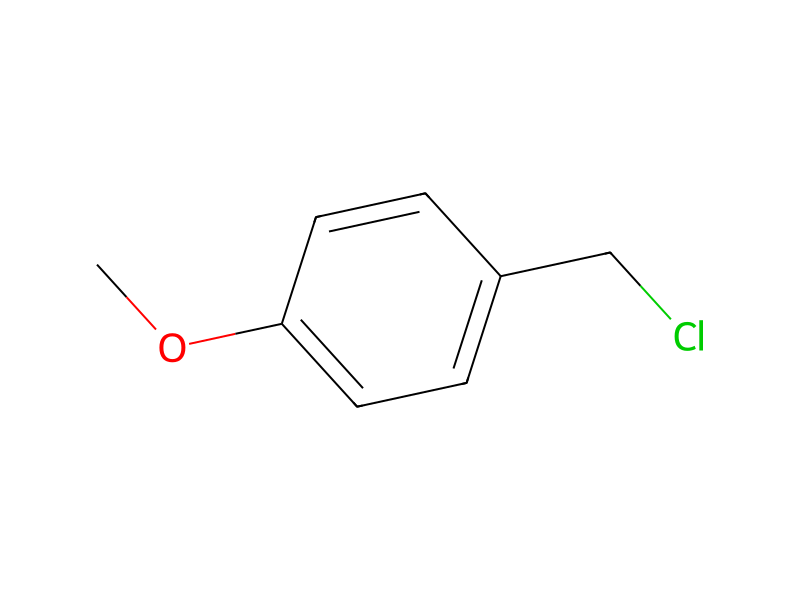
[CH2:1]([N:5]1[C:10](=[O:11])[CH:9]=[C:8]([Cl:12])[NH:7][C:6]1=[O:13])[CH2:2][CH2:3][CH3:4].C(=O)([O-])[O-].[K+].[K+].[I-].[K+].[CH3:22][O:23][C:24]1[CH:31]=[CH:30][C:27]([CH2:28]Cl)=[CH:26][CH:25]=1>CN(C)C=O>[CH2:1]([N:5]1[C:10](=[O:11])[CH:9]=[C:8]([Cl:12])[N:7]([CH2:28][C:27]2[CH:30]=[CH:31][C:24]([O:23][CH3:22])=[CH:25][CH:26]=2)[C:6]1=[O:13])[CH2:2][CH2:3][CH3:4]To a mixture of 3-butyl-6-chlorouracil (5.0 g, 24.6 mM), potassium carbonate (4.4 g, 32 mM) and potassium iodide (0.17 g, 1 mM) in dimethylformamide [DMF] (50 ml) was added 4-methoxybenzyl chloride (4.65 ml, 32 mM). The mixture was stirred at room temperature for 5 hours and was then concentrated under reduced pressure, and the resulting residue was diluted with water (50 ml) and extracted with chloroform (100 ml). The organic layer was washed with water, dried (MgSO4), and concentrated to dryness to give a brown syrup. The syrup was purified by flash chromatography on silica gel (elution with chloroform) to give 3-butyl-6-chloro-1-(4-methoxybenzyl)uracil as an oil. To a solution of the oil in ethanol (50 ml) was added hydrazine hydrate (20 ml) and the mixture was stirred at room temperature for 2 hours. The solution was concentrated under reduced pressure to give crude crystals, which were recrystallized from 70% ethanol to give pale yellow crystals (4.23 g, 54%), m.p. 167°-170° C.
Wird geladen…