Ethyl orthoformate → HCID 178482140, Verbindung
HRID 622711
Reaktionsgleichung

[NH:1]([C:5]1[S:6][CH:7]=[C:8]([C:10]2[CH:11]=[C:12]([NH2:16])[CH:13]=[CH:14][CH:15]=2)[N:9]=1)[C:2]([NH2:4])=[NH:3].[CH2:17](OC(OCC)OCC)C>FC(F)(F)C(O)=O>[NH:1]([C:5]1[S:6][CH:7]=[C:8]([C:10]2[CH:11]=[C:12]([NH:16][CH3:17])[CH:13]=[CH:14][CH:15]=2)[N:9]=1)[C:2]([NH2:4])=[NH:3]Komponenten
4
Edukt 2
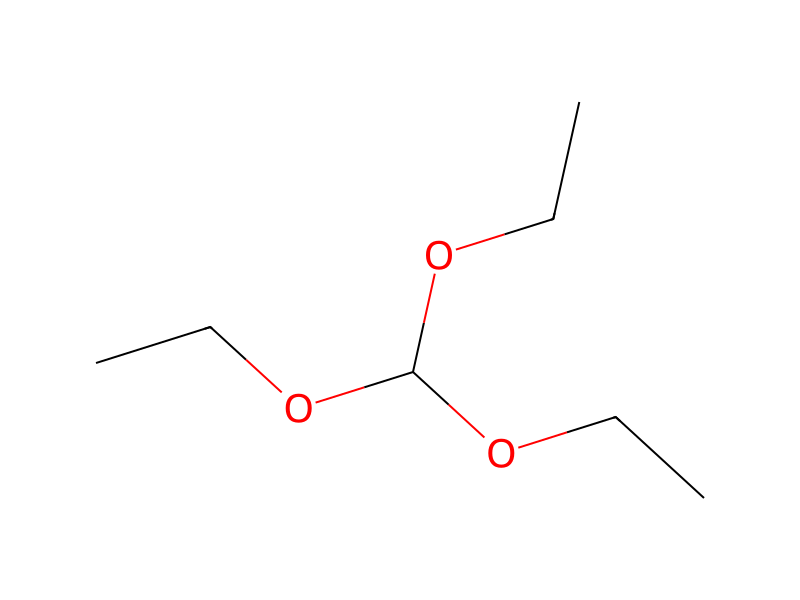

Produkt 1

Reagenzien, Katalysatoren, Lösungsmittel 1

Reaktionsbedingungen
- Temperatur
- 0 °C
Versuchsvorschrift
A mixture of 9.3 g (0.04 mole) of 3-(2-guanidino-4-thiazolyl)benzeneamine, 20 ml of triethylorthoformate, and 2 drops of trifluoroacetic acid is stirred at reflux for 5 hours after which it is concentrated in vacuo. The residue is dissolved in 20 ml of ethanol, the solution cooled to 0° C. and then treated with excess sodium borohydride. The mixture is allowed to warm to room temperature, then stirred at reflux for 4 hours. Upon concentration in vacuo the residue is partitioned between water and dichloromethane.