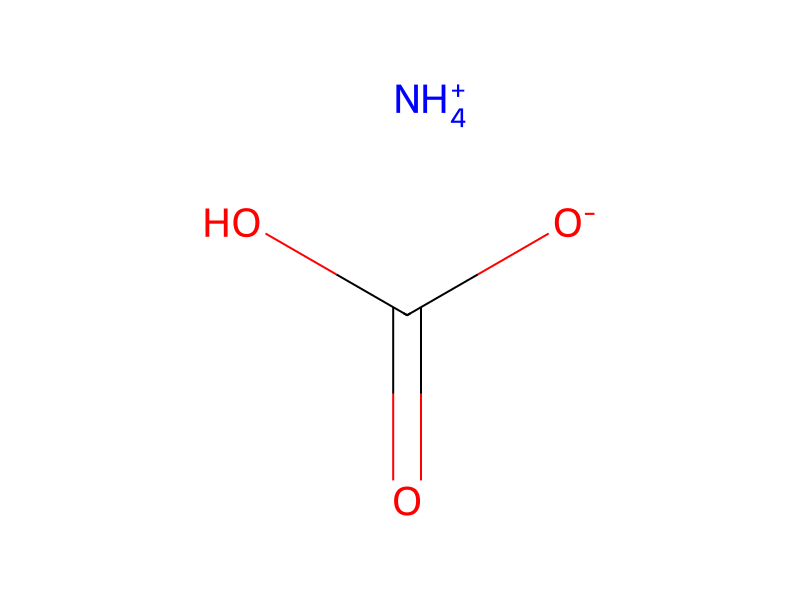
[C:1]([O:5][C:6]([N:8]1[CH:15]2[CH2:16][CH:11]3[CH2:12][C:13]([C:18]([OH:20])=O)([CH2:17][CH:9]1[CH2:10]3)[CH2:14]2)=[O:7])([CH3:4])([CH3:3])[CH3:2].[N:21]1C=CC=CC=1.C(=O)(O)[O-].[NH4+]>C(#N)C>[C:18]([C:13]12[CH2:14][CH:15]3[CH2:16][CH:11]([CH2:10][CH:9]([N:8]3[C:6]([O:5][C:1]([CH3:4])([CH3:3])[CH3:2])=[O:7])[CH2:17]1)[CH2:12]2)(=[O:20])[NH2:21]A 50 mL RB flask fitted with magnetic stirrer was charged with 5 mL of acetonitrile and 2-(tert-butoxycarbonyl)-2-azatricyclo[3.3.1.13,7]decane-5-carboxylic acid, Intermediate-10 (0.16 g, 0.56 mmol). Under N2 atm, pyridine (60 mg, 0.6 mmol) and Boc-anhydride (0.148 g, 0.6 mmol) was added to the reaction mixture and was stirred for 1 hr. After 1 hr, ammonium bicarbonate solid (75 mg, 0.9 mmol) was added and the reaction mixture was stirred at room temperature for 12 hours. After completion of the reaction (reaction was monitored by TLC), reaction mixture was concentrated under vacuum. The resulted crude material was extracted with ethyl acetate (25 ml×3). The organic layer was washed with ammonium chloride solution and saturated sodium bi carbonate solution. It was then dried over anhydrous sodium sulfate and concentrated to give Intermediate-11, as an oily mass (0.14 g, yield=87%).