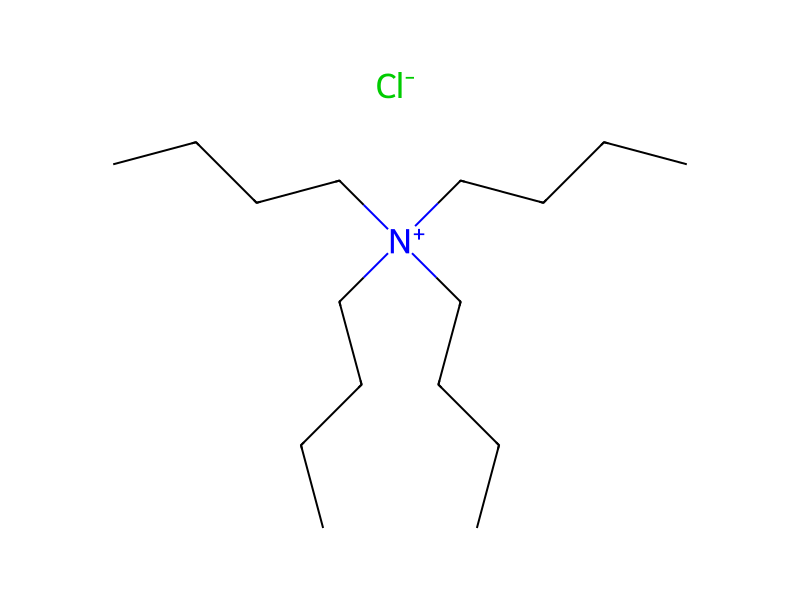
[Cl:1][C:2]1[CH:7]=[C:6]([S:8]([CH3:11])(=[O:10])=[O:9])[CH:5]=[C:4]([Cl:12])[C:3]=1[N:13]1[CH:22]=[C:16]2[CH:17]=[N+:18]([O-])[CH:19]=[CH:20][C:15]2=[N:14]1.P(Cl)(Cl)([Cl:25])=O>[Cl-].C([N+](CCCC)(CCCC)CCCC)CCC>[Cl:25][C:17]1[C:16]2=[CH:22][N:13]([C:3]3[C:2]([Cl:1])=[CH:7][C:6]([S:8]([CH3:11])(=[O:10])=[O:9])=[CH:5][C:4]=3[Cl:12])[N:14]=[C:15]2[CH:20]=[CH:19][N:18]=12-(2,6-Dichloro-4-methanesulfonylphenyl)-2H-pyrazolo[4,3-c]pyridine-5-oxide (640 mg, 1.79 mmol) was added to a solution of tetrabutylammonium chloride (497 mg, 1.79 mmol) in phosphorous oxychloride (5 mL) and the reaction mixture was heated at 85° C. for 4 hours. The reaction mixture was cooled and partitioned between ethyl acetate and sodium hydrogen carbonate (sat. aq.). The organic phase was washed with sodium hydrogen carbonate (sat. aq.) and brine, dried over anhydrous sodium sulfate, and concentrated to dryness under reduced pressure. The residue was purified by silica gel flash chromatography (40% ethyl acetate in cyclohexane) to afford the title compound as a white solid (238 mg, 35% yield). 1H NMR (300 MHz, DMSO-d6): δ 9.35 (d, J=1.0 Hz, 1H), 8.36 (s, 2H), 8.14 (d, J=6.3 Hz, 1H), 7.76 (dd, J=6.3, 1.0 Hz, 1H), 3.49 (s, 3H). LCMS (Method D): RT=3.19 min, m/z: 376 [M+H+].