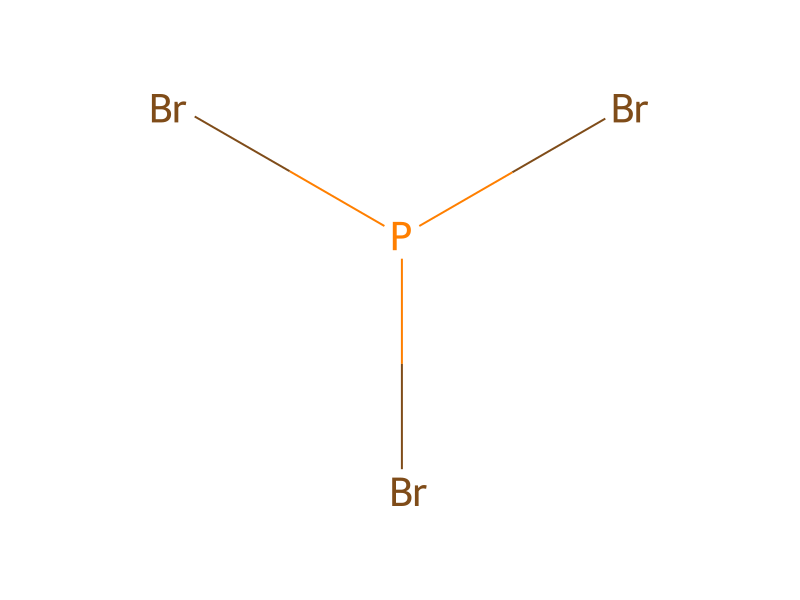
To the solution of (1-ethyl-1H-imidazol-5-yl)methanol (1.26 g, 10 mmol) in dioxane (50 mL) in a 250 mL round bottom flask, was added NCS (1.38 g, 10 mmol). The resulting mixture was stirred at room temperature overnight. Dioxane was removed under vacuum, and the crude solid was dissolved in chloroform (40 mL), followed by addition of PBr3 (1.9 mL, 20 mmol). The resulting mixture was stirred at room temperature overnight. The solvent was then evaporated. The crude 5-(bromomethyl)-4-chloro-1-ethyl-1H-imidazole was dissolved in DMF (20 mL). Potassium carbonate (3 g) and 6-methyl-2-sulfanylpyrimidin-4-ol (1.4 g, 10 mmol) were added. The mixture was stirred at room temperature for 2 hours. DMF was removed under vacuum, and the residue was purified by column chromatography to provide 2-{[(4-chloro-1-ethyl-1H-imidazol-5-yl)methyl]sulfanyl}-6-methylpyrimidin-4-ol (100 mg, 3% overall yield); 1H NMR (400 MHz, CD3OD): δ 1.41 (t, 3H), 2.29 (s, 3H), 4.12 (q, 1H), 4.60 (s, 2H), 4.59 (m, 1H), 6.01 (br, 1H), 7.66 (s, 1H); M+285.