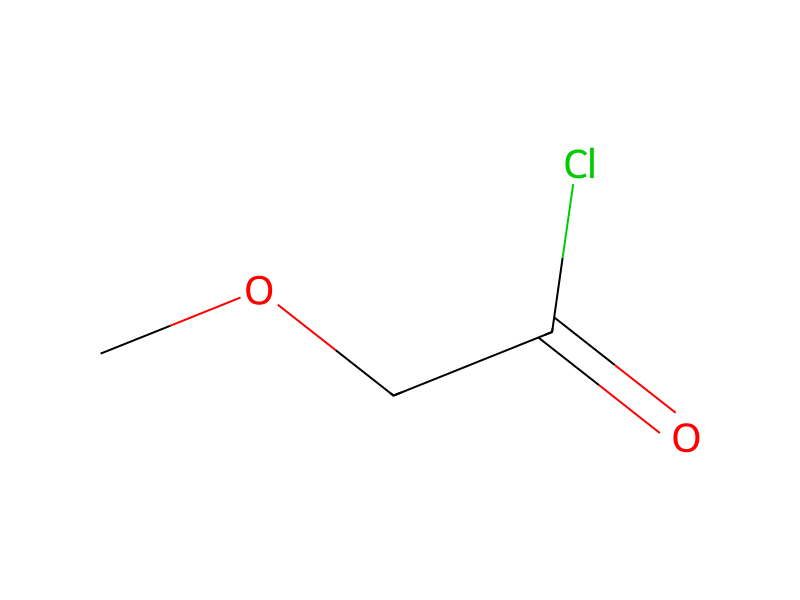
[CH3:1][O:2][CH2:3][C:4](Cl)=[O:5].Cl.[NH2:8][C:9]1[CH:18]=[C:17]2[C:12]([C:13]([NH:19][C:20]3[CH:25]=[C:24]([O:26][C:27]([O:29][CH3:30])=[O:28])[C:23]([CH3:31])=[CH:22][C:21]=3[F:32])=[N:14][CH:15]=[N:16]2)=[CH:11][C:10]=1[O:33][CH3:34]>C(Cl)Cl.N1C=CC=CC=1>[F:32][C:21]1[CH:22]=[C:23]([CH3:31])[C:24]([O:26][C:27]([O:29][CH3:30])=[O:28])=[CH:25][C:20]=1[NH:19][C:13]1[C:12]2[C:17](=[CH:18][C:9]([NH:8][C:4](=[O:5])[CH2:3][O:2][CH3:1])=[C:10]([O:33][CH3:34])[CH:11]=2)[N:16]=[CH:15][N:14]=1Methoxyacetyl chloride (62 μl, 0.68 mmol) was added dropwise to a solution of 7-amino-4-(2-fluoro-5-methoxycarbonyloxy-4-methylanilino)-6-methoxyquinazoline hydrochloride (215 mg, 0.52 mmol) in methylene chloride (5 ml) and pyridine (l.5 ml) at 0° C. and the mixture stirred for 2 hours at 0° C. Further methoxyacetyl chloride (14 μl, 0.15 mmol) was added and the mixture stirred for 20 minutes at 0° C. The reaction mixture was partitioned between ethyl acetate and water and the aqueous layer adjusted to pH9 with saturated aqueous sodium hydrogen carbonate solution. The organic layer was separated, washed with brine, dried (MgSO4) and the solvent removed by evaporation. The residue was purified by column chromatography eluting with methylene chloride/acetonitrile/methanol (60138/2) to give 4-(2-fluoro-5-methoxycarbonyloxy-4-methylanilino)-6-methoxy-7-methoxyacetamidoquinazoline (1 75 mg, 75%) as a white solid.