StartseiteMCPWorkbenchSkills
StartseiteWorkbenchBenachrichtigungenMein Bereich
llms.txt · MCP-AnleitungDatenschutz · Nutzungsbedingungen · Supportv1.8.3
  1. Startseite
  2. /Reaktion

Hydrochloric Acid → 1-(3,4-Dimethoxy-5-hydroxybenzoyl)-3-(2-(4-(1-(2-ethoxyethyl)-1H-benzimidazol-2-yl)[1,4]diazepan-1-yl)ethyl)-3-phenylpyrrolidine

HRID 637099
Drucken

Reaktionsgleichung

Reaktionsgleichung von HRID 637099
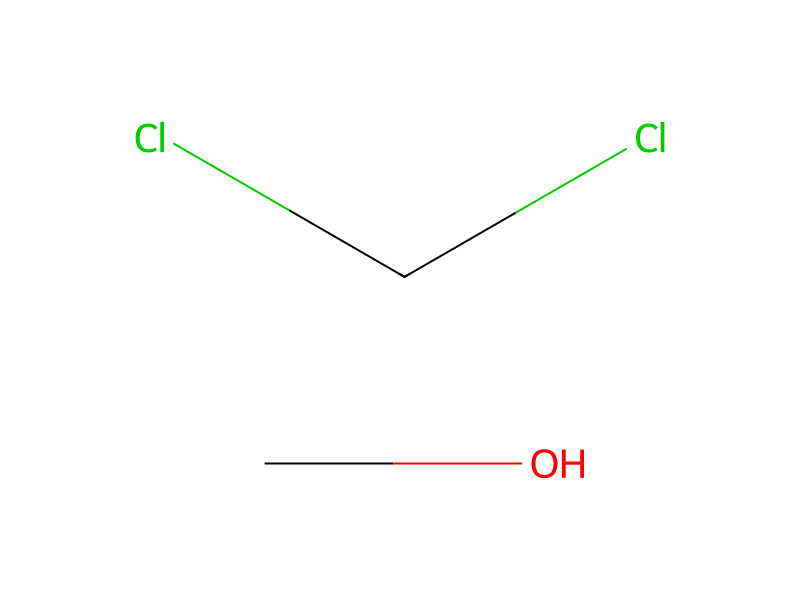
[CH3:1][O:2][C:3]1[CH:4]=[C:5]([CH:42]=[C:43]([O:47]S(C)(=O)=O)[C:44]=1[O:45][CH3:46])[C:6]([N:8]1[CH2:12][CH2:11][C:10]([CH2:19][CH2:20][N:21]2[CH2:27][CH2:26][CH2:25][N:24]([C:28]3[N:32]([CH2:33][CH2:34][O:35][CH2:36][CH3:37])[C:31]4[CH:38]=[CH:39][CH:40]=[CH:41][C:30]=4[N:29]=3)[CH2:23][CH2:22]2)([C:13]2[CH:18]=[CH:17][CH:16]=[CH:15][CH:14]=2)[CH2:9]1)=[O:7].C(=O)([O-])[O-].[K+].[K+].[OH-].[Na+].Cl.O1CCOCC1>ClCCl.ClCCl.CO.CO>[CH3:1][O:2][C:3]1[CH:4]=[C:5]([CH:42]=[C:43]([OH:47])[C:44]=1[O:45][CH3:46])[C:6]([N:8]1[CH2:12][CH2:11][C:10]([CH2:19][CH2:20][N:21]2[CH2:27][CH2:26][CH2:25][N:24]([C:28]3[N:32]([CH2:33][CH2:34][O:35][CH2:36][CH3:37])[C:31]4[CH:38]=[CH:39][CH:40]=[CH:41][C:30]=4[N:29]=3)[CH2:23][CH2:22]2)([C:13]2[CH:14]=[CH:15][CH:16]=[CH:17][CH:18]=2)[CH2:9]1)=[O:7]


KomponentenVersuchsvorschriftAufarbeitungQuellen und NachweiseNotizen zur Reaktion

Komponenten

9

Edukt 5

HCID 313Hydrochloric AcidHCID 11430Potassium CarbonateHCID 14798Sodium HydroxideHCID 312751,4-DioxaneHCID 184645111-(3,4-dimethoxy-5-methanesulfonyloxybenzoyl)-3-(2-(4-(1-(2-ethoxyethyl)-1H-benzimidazol-2-yl)[1,4]diazepan-1-yl)ethyl)-3-phenylpyrrolidine

Produkt 1

HCID 18464755
1-(3,4-Dimethoxy-5-hydroxybenzoyl)-3-(2-(4-(1-(2-ethoxyethyl)-1H-benzimidazol-2-yl)[1,4]diazepan-1-yl)ethyl)-3-phenylpyrrolidine

Reagenzien, Katalysatoren, Lösungsmittel 3

HCID 887MethanolLösungsmittelHCID 6344DichloromethaneLösungsmittelHCID 21226129Dichloromethane methanolLösungsmittel

Versuchsvorschrift

Combine 1-(3,4-dimethoxy-5-methanesulfonyloxybenzoyl)-3-(2-(4-(1-(2-ethoxyethyl)-1H-benzimidazol-2-yl)[1,4]diazepan-1-yl)ethyl)-3-phenylpyrrolidine (0.5 g, 0.5 mmol) and methanol (4 mL). Add potassium carbonate (0.5 g). After 18 hours, add a 1 M aqueous sodium hydroxide solution (1 mL) and extract with dichloromethane. Dry the organic layer over Na2SO4, filter, and concentrate in vacuo to give a residue. Chromatograph the residue on silica gel eluting with dichloromethane/methanol/concentrated aqueous ammonia 6/1/0.1 to give a residue. Combine the residue and dichloromethane (4 mL). Add a solution of hydrochloric acid in dioxane (0.12 mL, 4 M, 0.48 mmol). Warm to ambient-temperature. After 1 hour, evaporate in vacuo to give a residue. Triturate with diethyl ether to give a solid. After 1 hour, collect the solid by filtration and dry to give the title compound.

Aufarbeitung

  1. extractionextract with dichloromethane
  2. dry with materialDry the organic layer over Na2SO4
  3. filtrationfilter
  4. concentrationconcentrate in vacuo
  5. customto give a residue
  6. temperatureWarm to ambient-temperature
  7. waitAfter 1 hour
  8. customevaporate in vacuo
  9. customto give a residue
  10. customTriturate with diethyl ether
  11. customto give a solid
  12. waitAfter 1 hour
  13. customcollect the solid
  14. filtrationby filtration
  15. customdry

Quellen und Nachweise

ORD-Eintrag
ord-556230342f794b7ea46968a6b98d89a0
Quelldatensatz
uspto-grants-2001_02
DOI
10.6084/m9.figshare.5104873.v1
Patentnummer
US06194406B1

Notizen zur Reaktion

Auf dieser SeiteKomponentenVersuchsvorschriftAufarbeitungQuellen und NachweiseNotizen zur Reaktion