Reaktionsgleichung

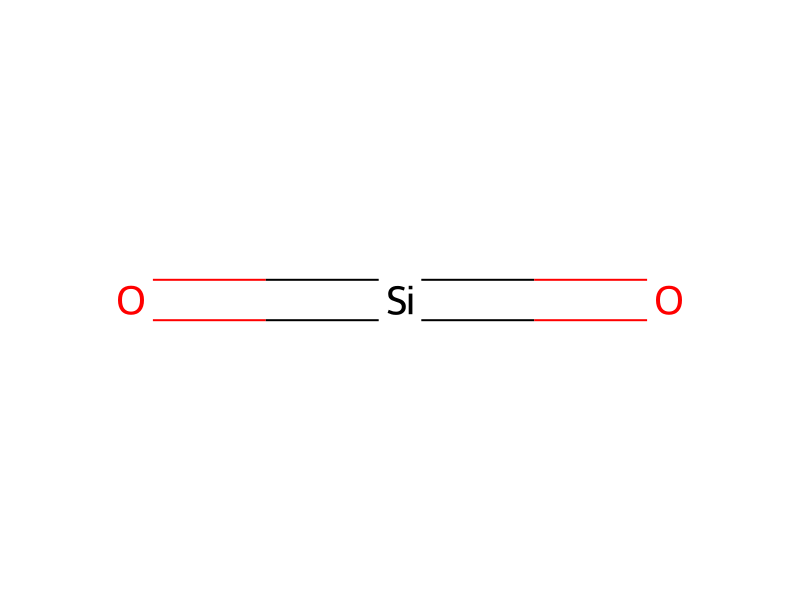
[Br:1][C:2]1[C:11]2[C:6](=[CH:7][CH:8]=[CH:9][CH:10]=2)[C:5]([CH2:12][OH:13])=[CH:4][CH:3]=1.C1C=C[NH+]=CC=1.[O-][Cr](Cl)(=O)=O.[Si](=O)=O>ClCCl>[Br:1][C:2]1[C:11]2[C:6](=[CH:7][CH:8]=[CH:9][CH:10]=2)[C:5]([CH:12]=[O:13])=[CH:4][CH:3]=1Komponenten
5
Edukt 3


Produkt 1

Reagenzien, Katalysatoren, Lösungsmittel 1

Versuchsvorschrift
Into a 250-mL round-bottom flask, was placed dichloromethane (150 mL), (4-bromonaphthalen-1-yl)methanol (6.3 g, 26.57 mmol, 1.00 equiv), PCC (11.4 g, 183.72 mmol, 2.00 equiv) and 20 g Silicon dioxide. The resulting solution was stirred for 2 h at room temperature. The resulting mixture was concentrated under vacuum. The residue was applied onto a silica gel column and washed with ethyl acetate/petroleum ether (1/10-1/5). This resulted in 5.3 g (85%) of 4-bromonaphthalene-1-carbaldehyde as a white solid.
Aufarbeitung
- customInto a 250-mL round-bottom flask, was placed
- concentrationThe resulting mixture was concentrated under vacuum
- washwashed with ethyl acetate/petroleum ether (1/10-1/5)
- customThis resulted in 5.3 g (85%) of 4-bromonaphthalene-1-carbaldehyde as a white solid
Quellen und Nachweise
- ORD-Eintrag
- ord-23f9c1c5053945dbbc1c89cd994089ef
- Quelldatensatz
- uspto-grants-2016_09
- Patentnummer
- US09447084B2
Verknüpfte Notizen
Wird geladen…