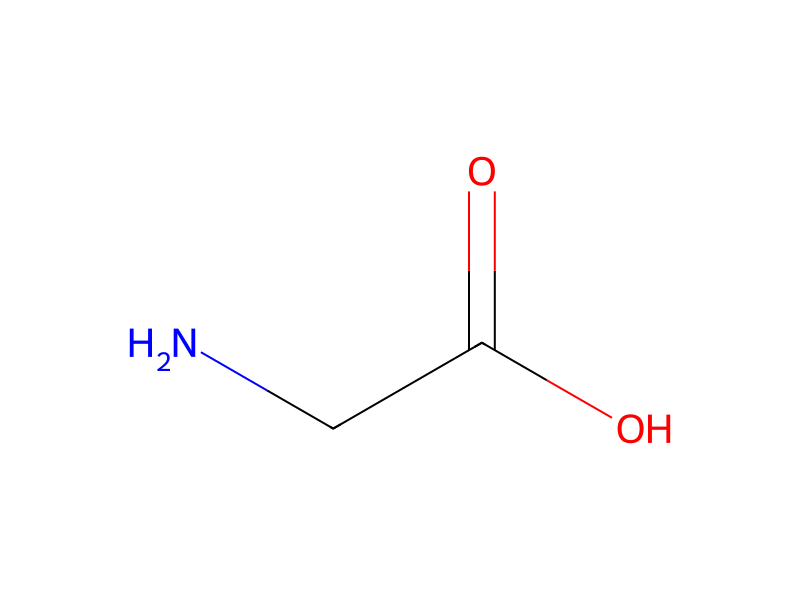
C(O[C:4]([C:6]1[N:11]=[C:10]([C:12]2[CH:17]=[CH:16][CH:15]=[CH:14][CH:13]=2)[C:9]2[N:18]=[C:19]([C:21]3[CH:26]=[CH:25][CH:24]=[CH:23][CH:22]=3)[S:20][C:8]=2[C:7]=1[OH:27])=[O:5])C.[NH2:28][CH2:29][C:30]([OH:32])=[O:31]>C[O-].[Na+].CO>[OH:27][C:7]1[C:8]2[S:20][C:19]([C:21]3[CH:22]=[CH:23][CH:24]=[CH:25][CH:26]=3)=[N:18][C:9]=2[C:10]([C:12]2[CH:17]=[CH:16][CH:15]=[CH:14][CH:13]=2)=[N:11][C:6]=1[C:4]([NH:28][CH2:29][C:30]([OH:32])=[O:31])=[O:5]A mixture of 7-hydroxy-2,4-diphenyl-thiazolo[4,5-c]pyridine-6-carboxylic acid ethyl ester (45 mg, 0.12 mmol) and glycine (179 mg, 2.38 mmol) in 0.5 M sodium methoxide/methanol (4.5 mL) was refluxed for four days before it was cooled to room temperature and concentrated in vacuo. The residue was dissolved in water (20 mL) and extracted twice with dichloromethane. The remaining aqueous layer was acidified to pH=3 with 1N HCl (3 mL). The suspension was extracted with ethyl acetate (2×25 mL). The organic layer was dried over sodium sulfate and concentrated in vacuo to give the title compound as a yellow solid (47 mg): 1H NMR (DMSO-d6, 200 MHz): δ=9.46 (t, 1H), 8.68 (m, 2H), 8.22 (m, 2H), 7.65 (m, 6H), 4.09 (m, 2H); MS: (+) m/z 406.0 (M+1)